Uitgestorven dieren decoratieve tegels

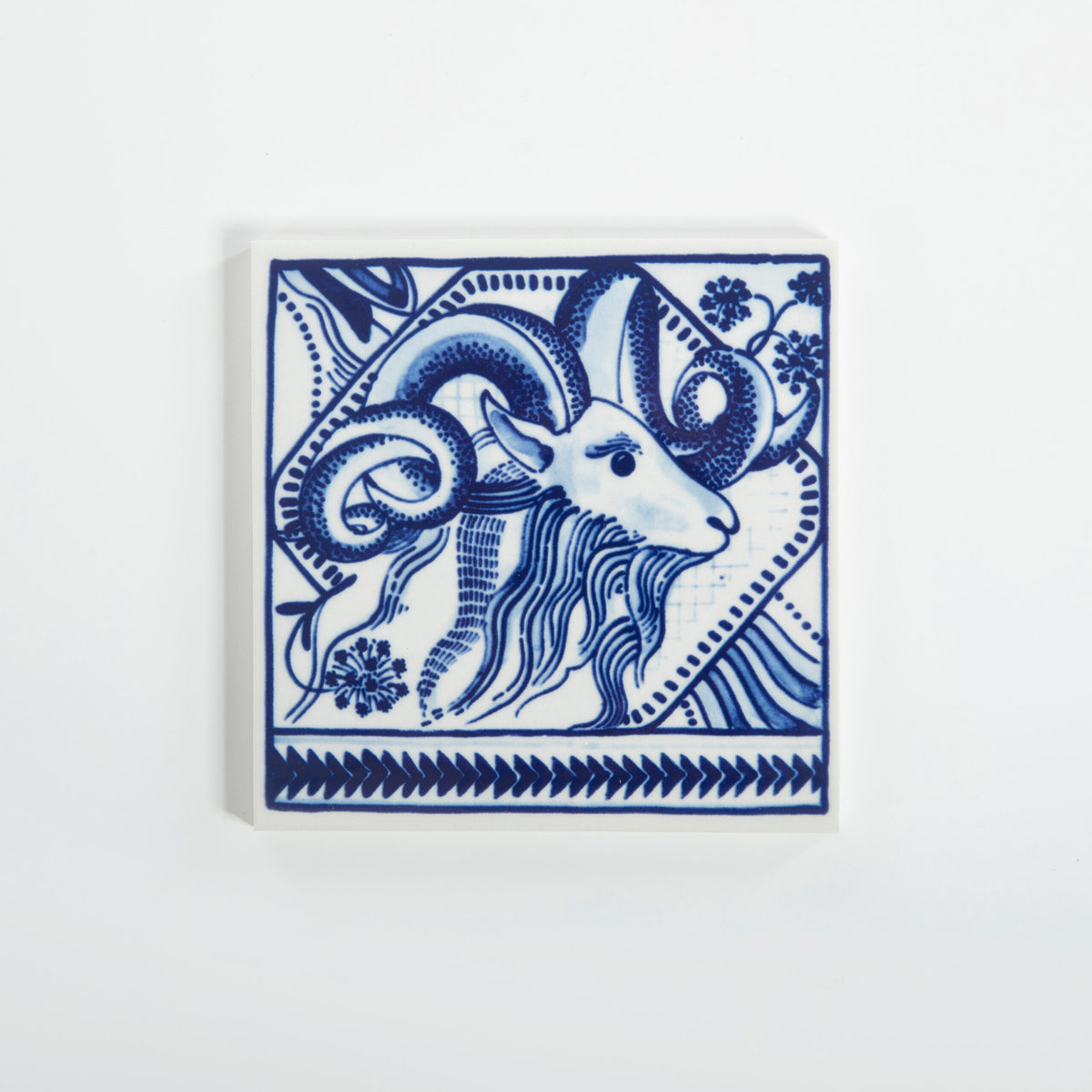
Tegel Uitgestorven Dieren Pogo Geit

€34,95
Out of stock
  • Free shipping in the Netherlands for orders over €100
  • Certificate of authenticity for ceramic products
  • Carefully and attentively packaged for dispatch
  1. Home
  2. Moooi x Royal Delft

Pair with…

About Tegel Uitgestorven Dieren Pogo Geit

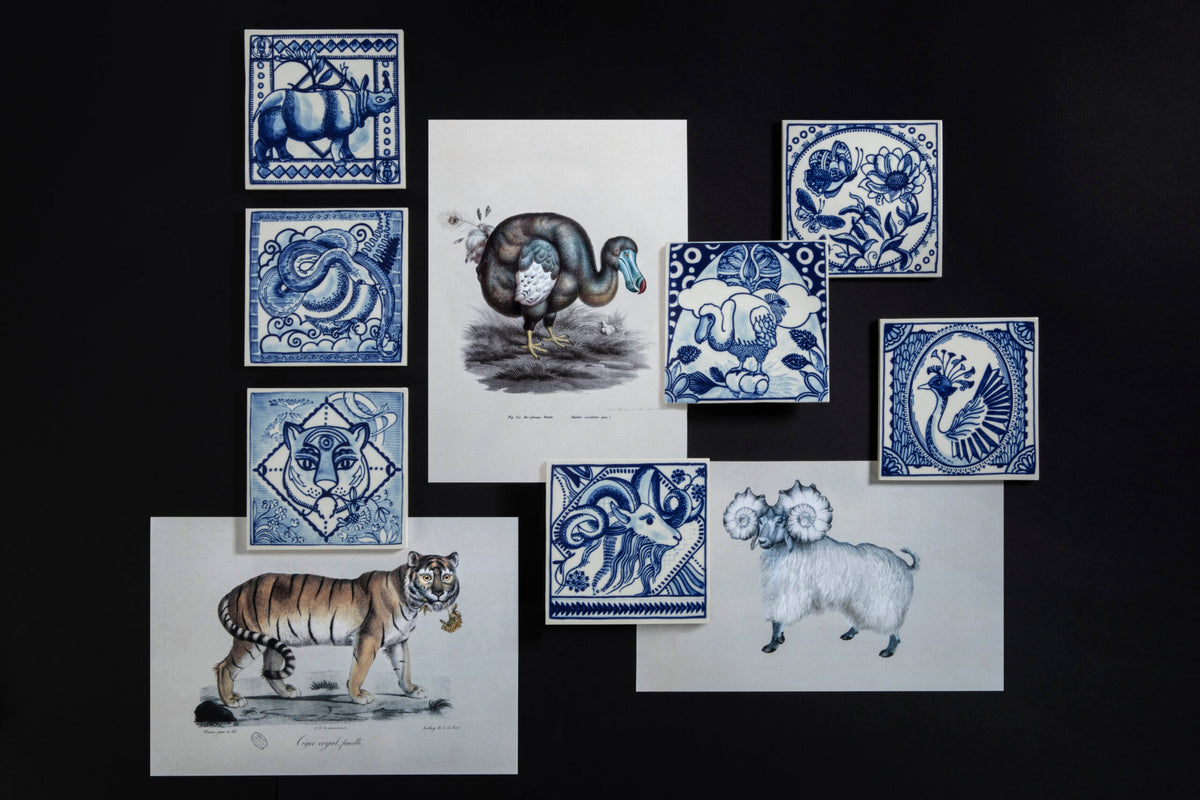
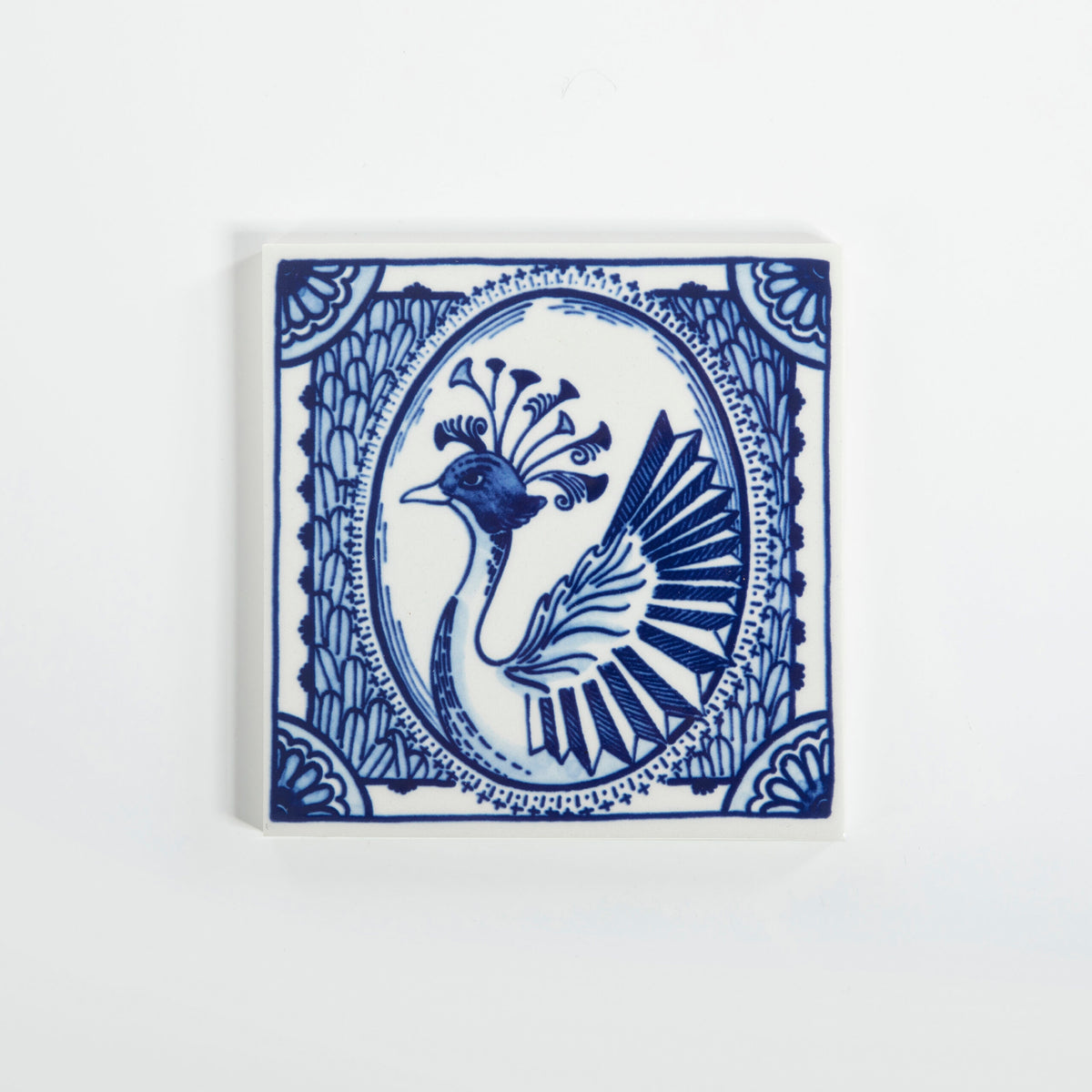
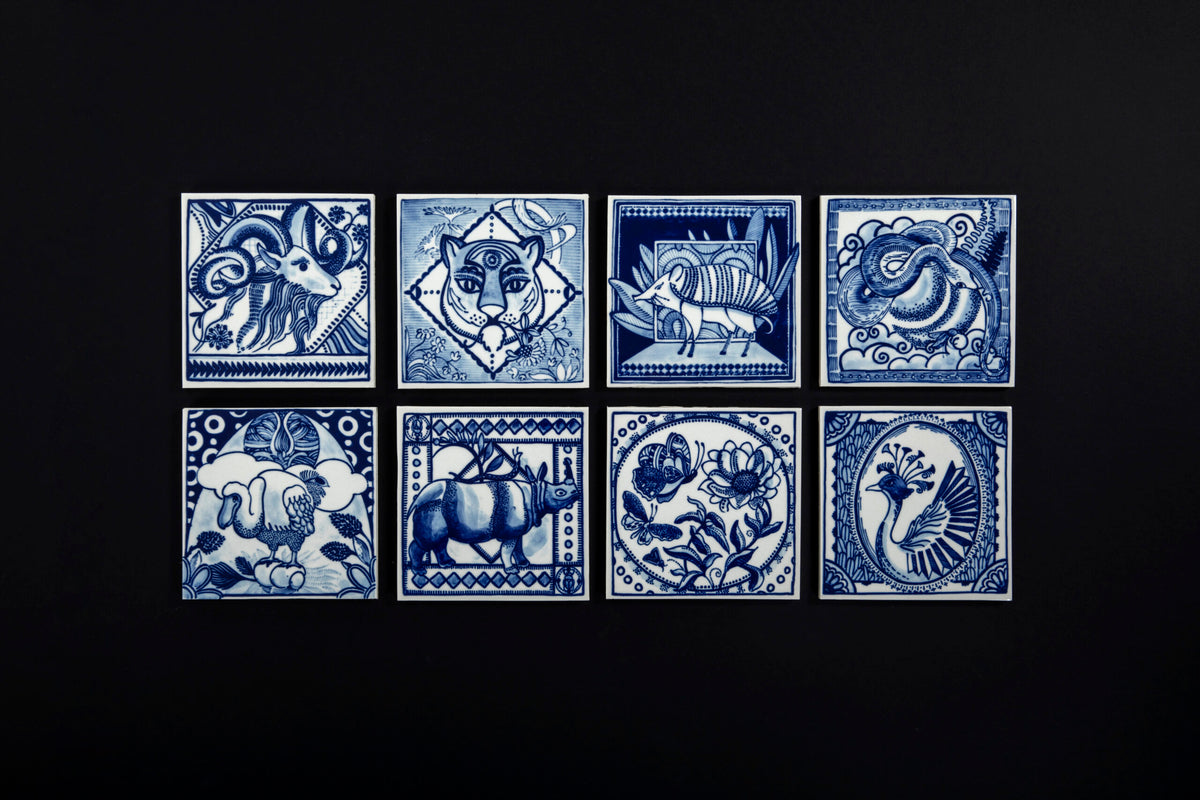
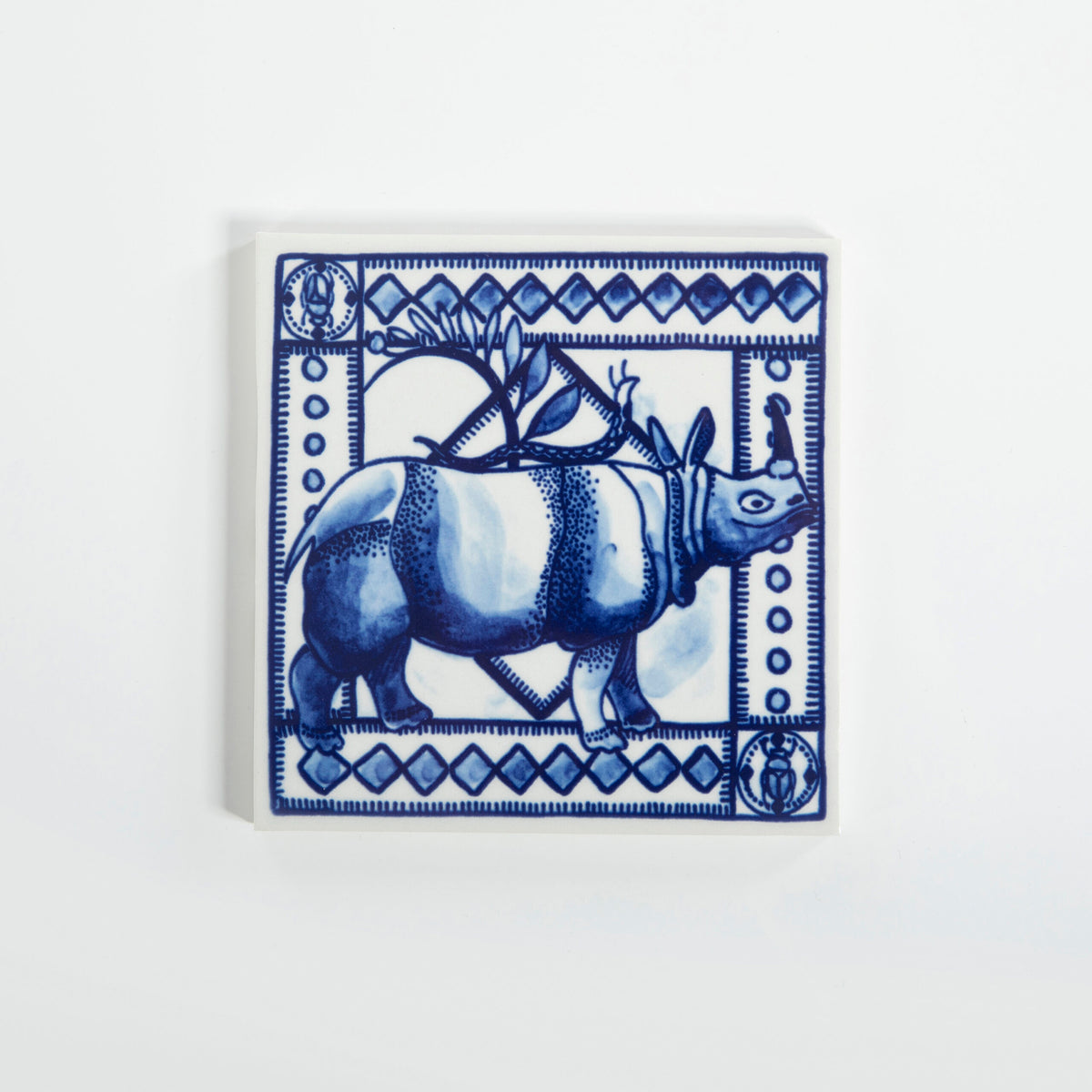
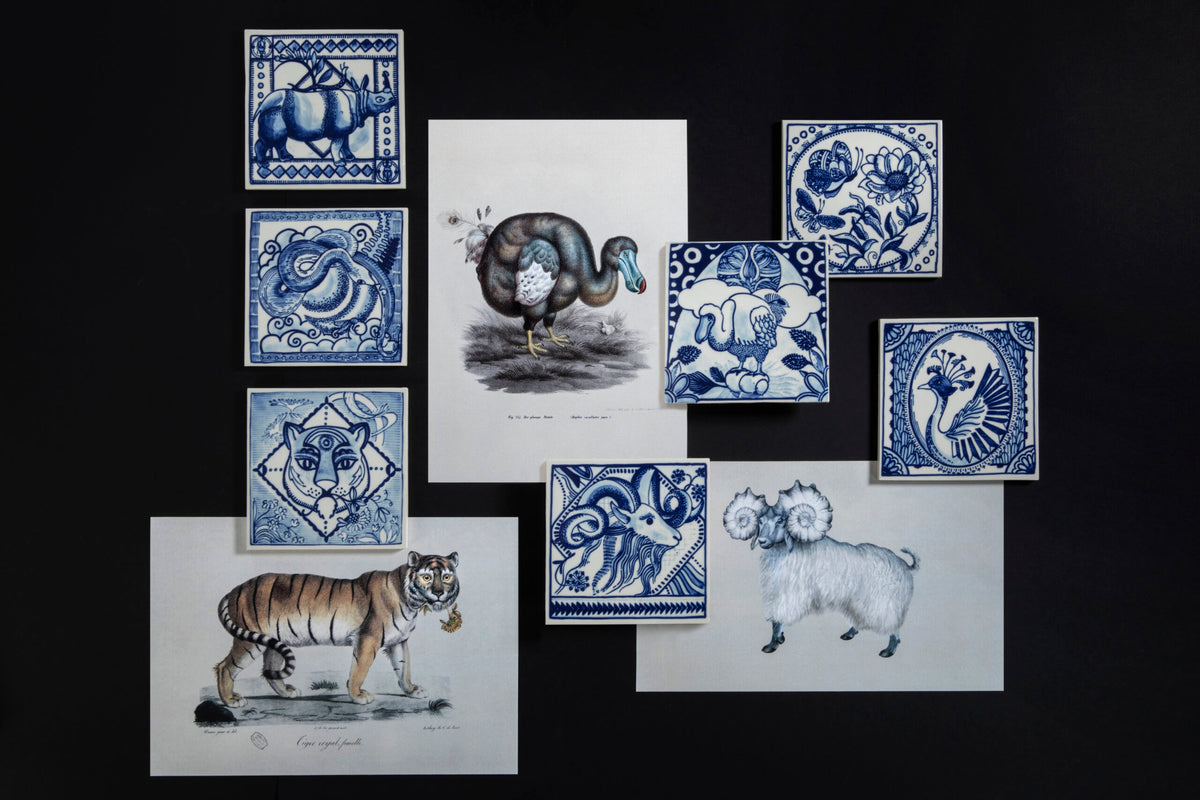
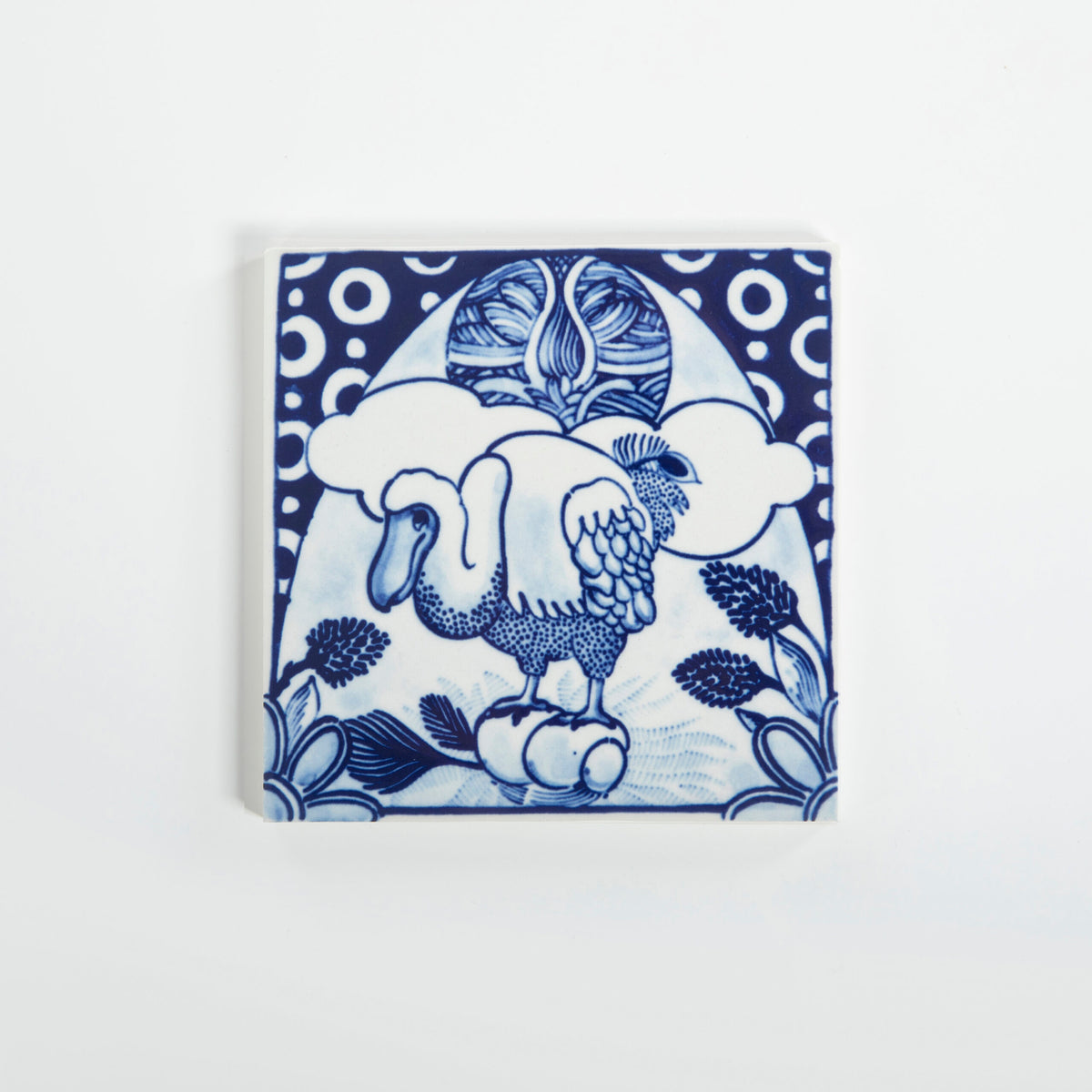
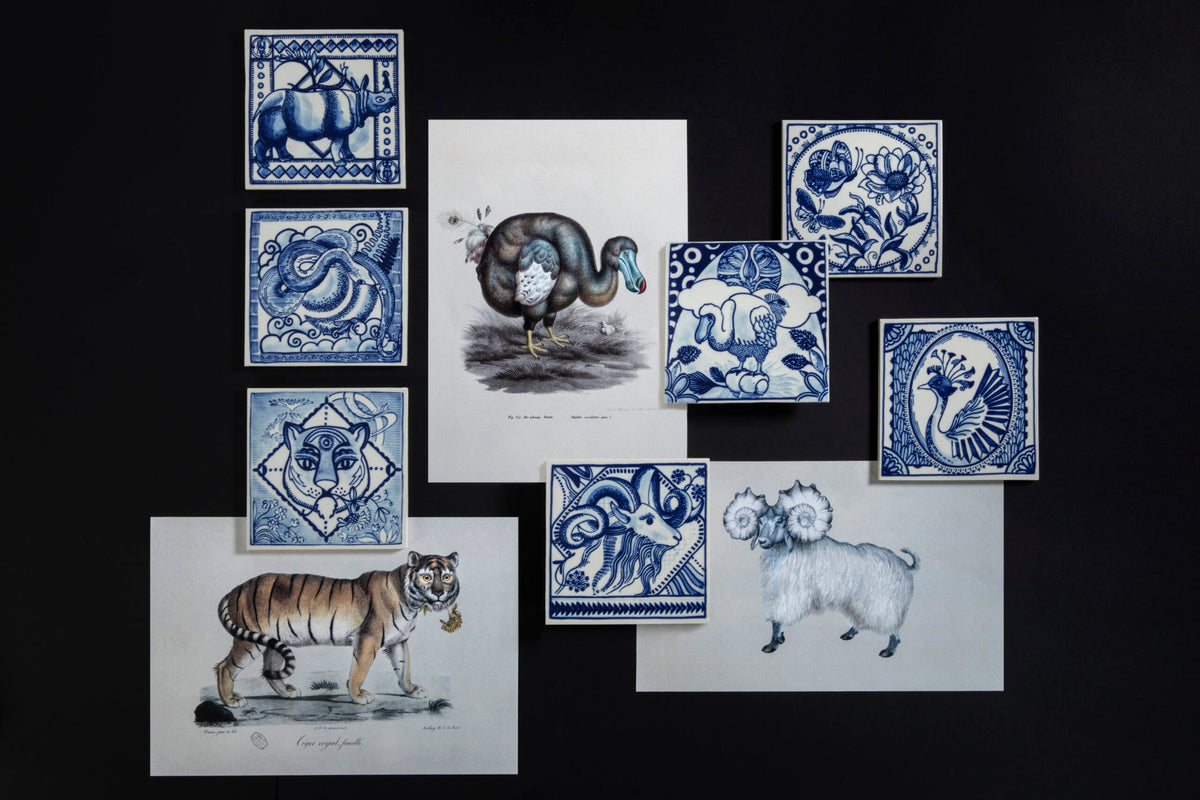
Moooi x Royal Delft present a unique collection: the original Delft Blue tiles from Royal Delft, featuring Moooi's Extinct Animals collection. Inspired by magnificent drawings from The Museum of Extinct Animals, eight ceramic tiles have been designed and handcrafted in the workshop in Delft. Each tile represents one of these magnificent animal species in Delft Blue; together, they form a unique collection.

The Extinct Animals: Pogo Goats

“Pogo Goats, with their fluffy coats and conch shell horns, lived high in the mountains of Alkebulan most of the time. This migratory animal would move to the sea cliffs of the southern-most point on the continent during the coldest months of the year. But no matter their habitat, the Goats always seemed to prefer cliffs. The steeper the better.

Where Pogo Goats got their name from remains a mystery to this day. Some say it came from their migration patterns, leaving tracks that looked like lined-up dance steps. Others claim to have spotted groups of Pogo Goats dancing on the sides of the steepest cliffs, utterly fearless. The dancing goats celebrated life by living on the edge, literally. 

The Pogo Goat’s shell horns would turn the whistle of the wind into the sweetest music, which explains their ongoing dancing. But the elaborate horns’ downside was their size. It was a challenge for the Pogo Goats not to get stuck in the mountain cracks and fall off when prying loose. But when this happened, they fell into the clouds smiling and peacefully drifted away; hooves moving as if still dancing, never to be seen again.” – Moooi The Museum of Extinct Animals.

The decorative tile in every modern interior

These decorative tiles are beautiful, distinctive accents for personalizing a room. The blend of tradition and contemporary art is a wonderful addition to modern interiors. Royal Delft's decorative tiles are equipped with a hanging hook. Add a contemporary touch to a modern interior by hanging it subtly like a work of art, alongside wall plates or other wall decor, for example. Give the tile extra substance by placing it in one of the tile frames. Add a striking accent to a mantelpiece or shelf and enrich the room with a touch of artisanal elegance.

Want to combine the Extinct Animals decorative tiles with blank tiles? Use this tile for the perfect result.

More Extinct Animals tiles

Collection Uitgestorven dieren decoratieve tegels
Color Blauw
Dimensions l 13 × w 13
Technique Transfer
Grams 0.25 kg
SKU 46413800
Uitgestorven dieren decoratieve tegels

Uitgestorven dieren decoratieve tegels

Inspired by the drawings from the Museum of Extinct Animals, eight ceramic tiles were designed and handcrafted in the workshop in Delft. Each tile represents one of these magnificent animal species in Delft Blue; together they form a unique collection. These decorative tiles from Moooi x Royal Delft create distinctive accents that personalise any space. The blend of tradition and contemporary art enriches modern interiors.

Shop Uitgestorven dieren decoratieve tegels
Moooi Set III

Uitgestorven dieren decoratieve tegels

Moooi Set III

€69,90
Moooi Set I

Uitgestorven dieren decoratieve tegels

Moooi Set I

€69,90
Moooi Set II

Uitgestorven dieren decoratieve tegels

Moooi Set II

€69,90
Extinct Animals tiles – 8 tegelsExtinct Animals tiles – 8 tegels

Uitgestorven dieren decoratieve tegels

Extinct Animals tiles – 8 tiles

€279,60

De Porceleyne Fles in Delft

Transfer: from design to screen print

Centuries-old craftsmanship lives on in De Porceleyne Fles. The screen printing technique, with its origins in eighteenth-century England, is still an essential part of the decorating process. Here, heritage, precision and craft come together in every ceramic object.

The design

The design

Even when the screen printing technique is used, the hand of the Royal Delft master painter is still part of the design. The first design is put on paper with a brush, using the same black paint. Once a final design has been made, it is sent to the printer. The printer scans it digitally and then turns it into a screen print.

The screen print

The screen print

This is divided into four separate layers for the four different shades of blue. It is then printed onto plastic films, and the films are exposed onto a screen printing frame. In this way the design transfers from the film to the frame. This is done four times for the different shades of blue, after which a carrier layer is added on top. That carrier holds the entire design together.

Applying and firing

Applying and firing

The transfer is then applied to the glazed product, after which it fuses with the glaze layer during the second firing.

Stories from the atelier.

New collections, painter profiles, and collection previews - delivered once a month.