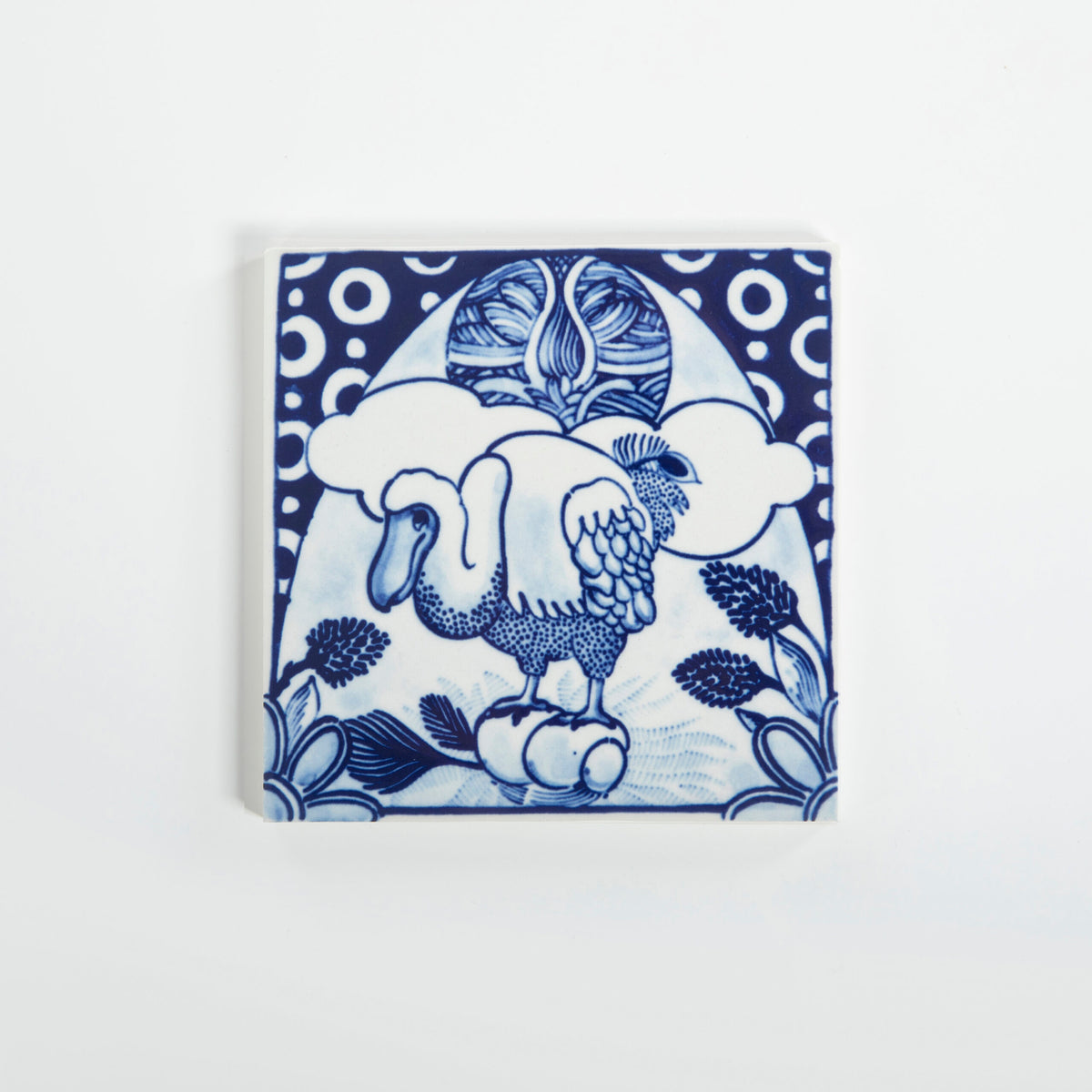
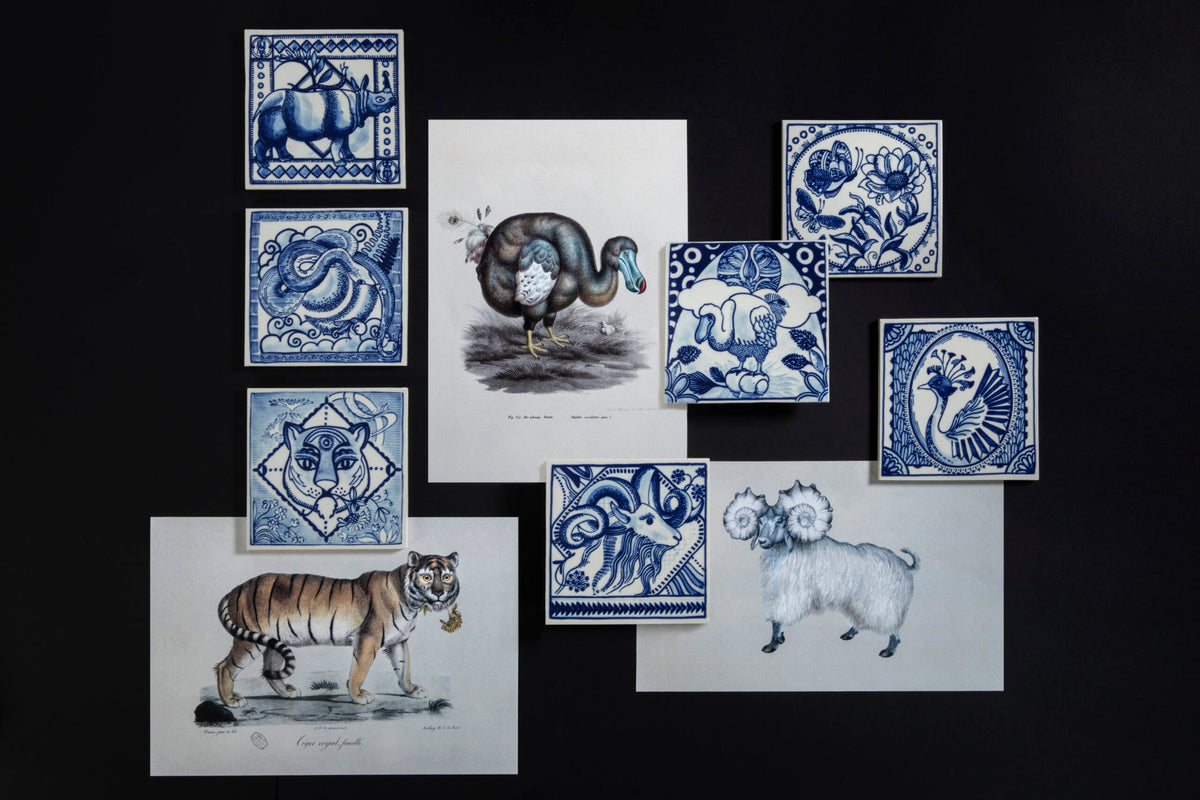
Uitgestorven dieren decoratieve tegels

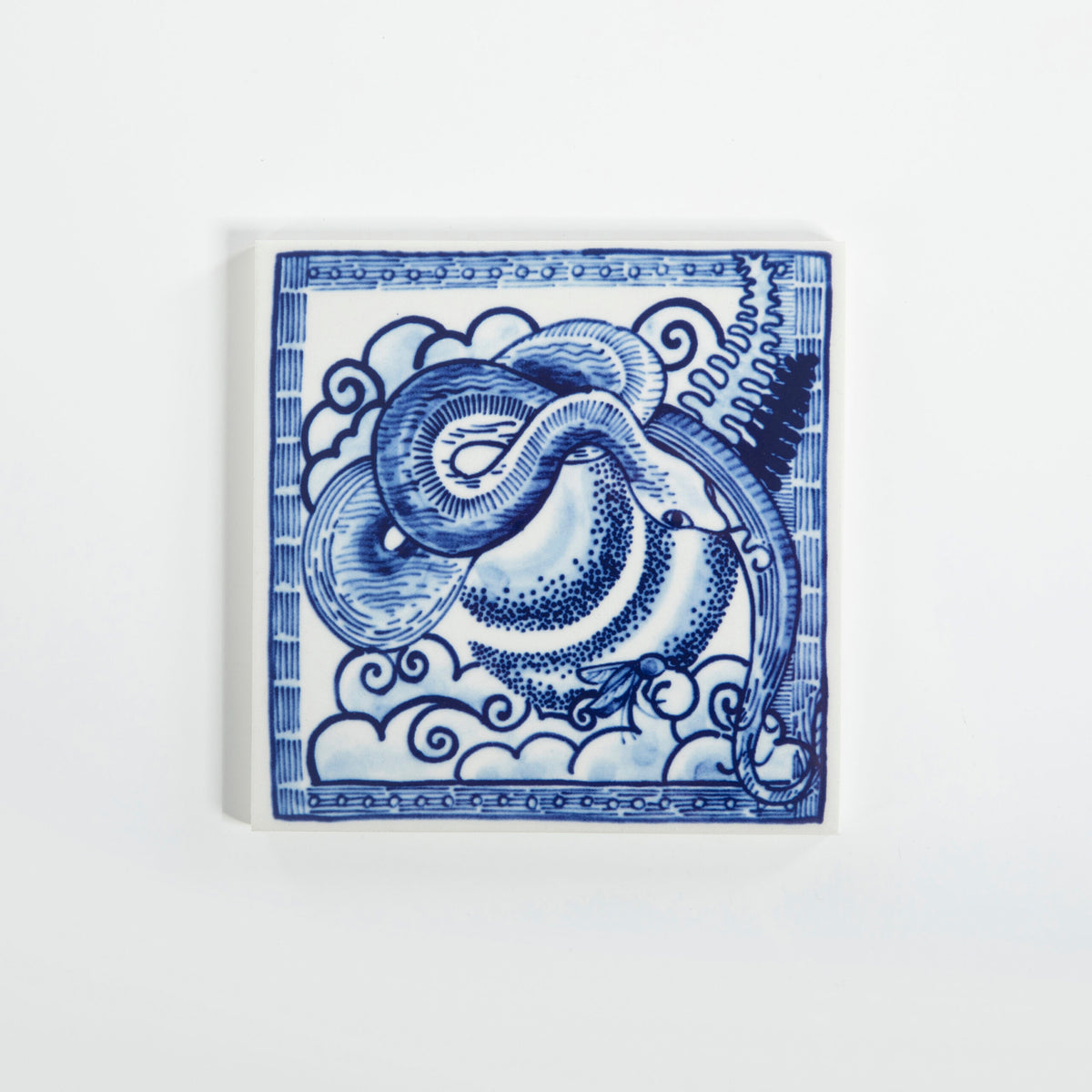
Tile Extinct Animals Queen Cobra

€34,95
Available immediately
  • Free shipping in the Netherlands for orders over €100
  • Certificate of authenticity for ceramic products
  • Carefully and attentively packaged for dispatch
  1. Home
  2. Moooi x Royal Delft

Pair with…

About Tile Extinct Animals Queen Cobra

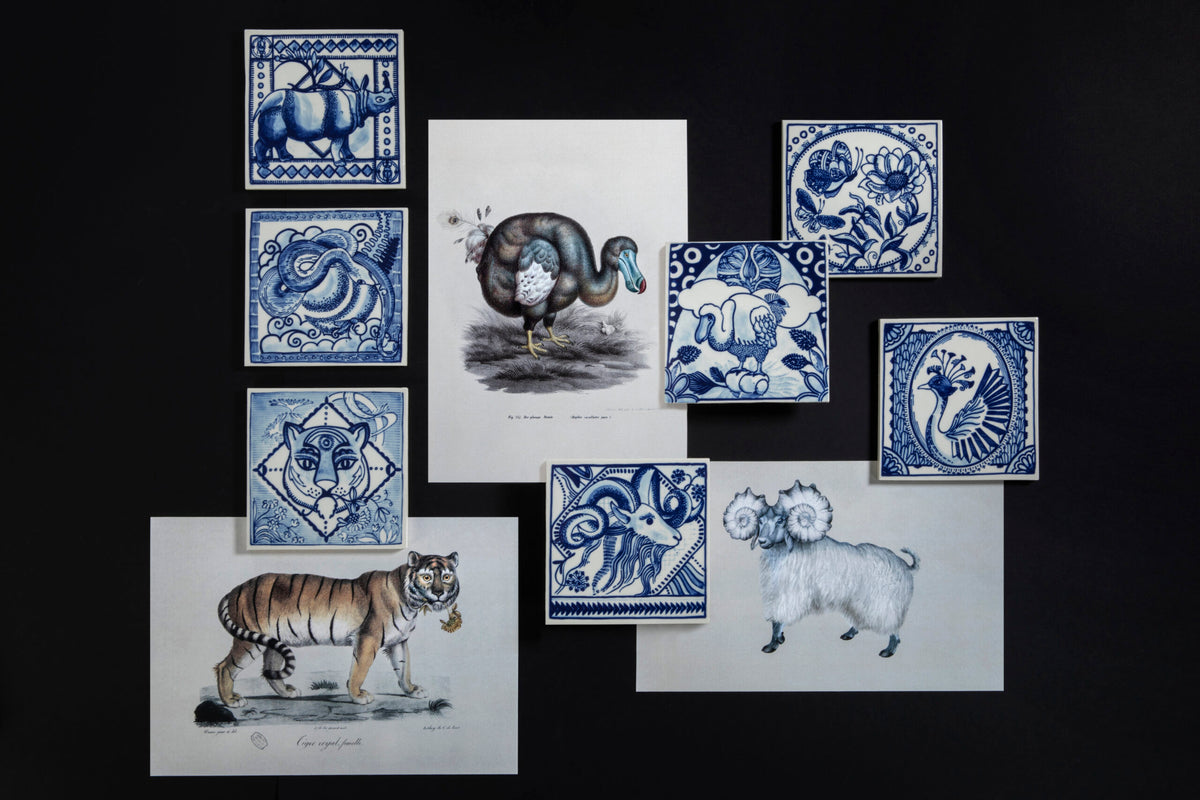
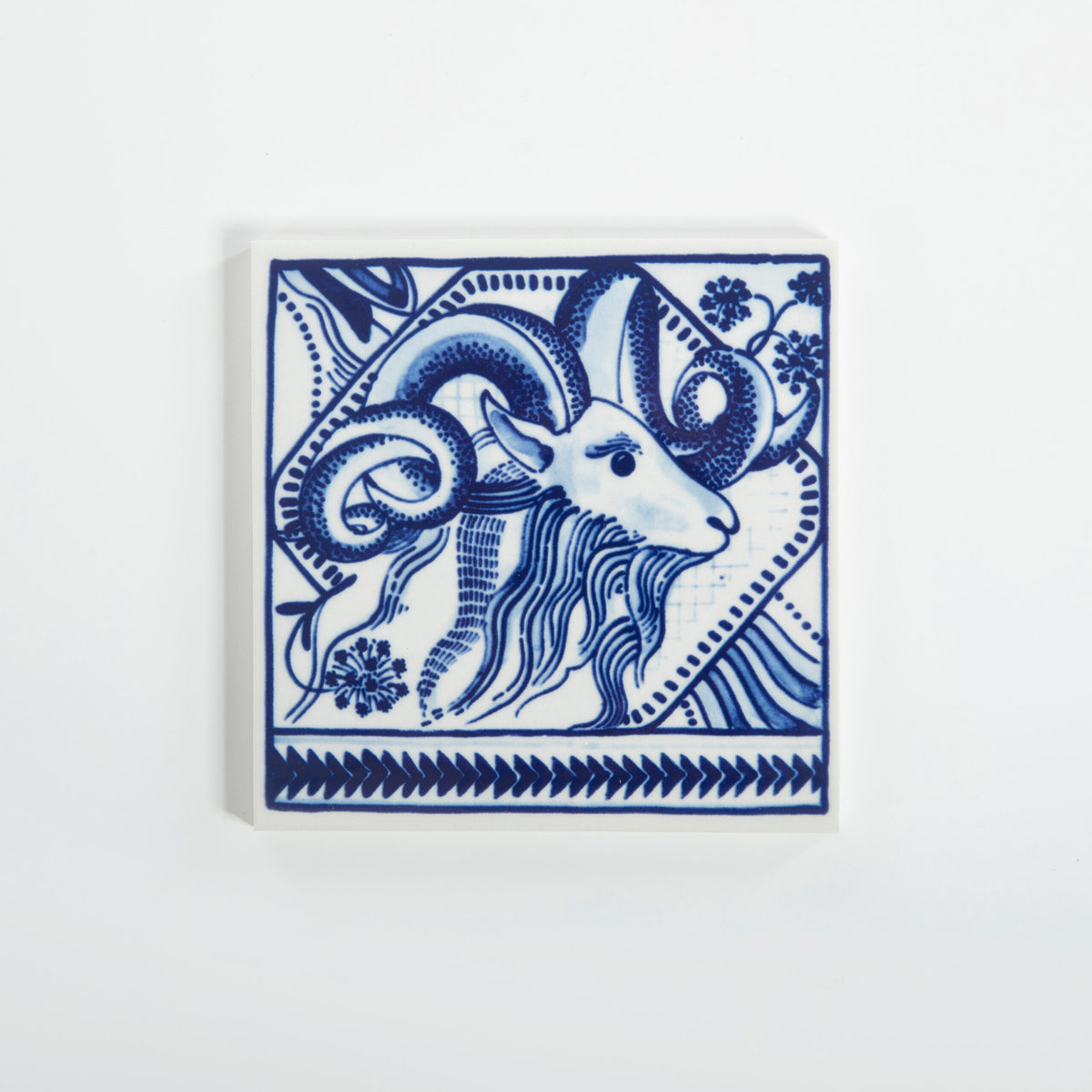
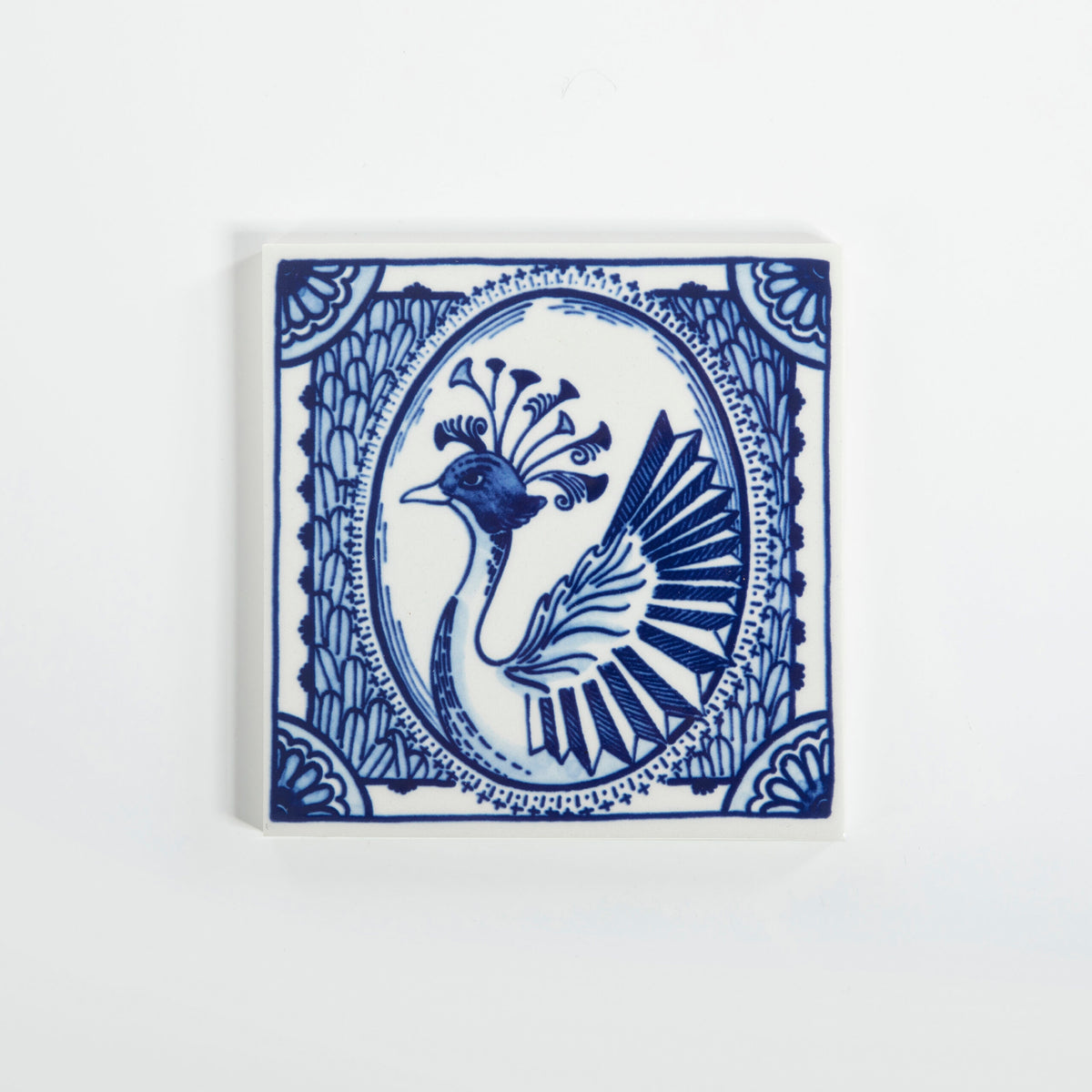
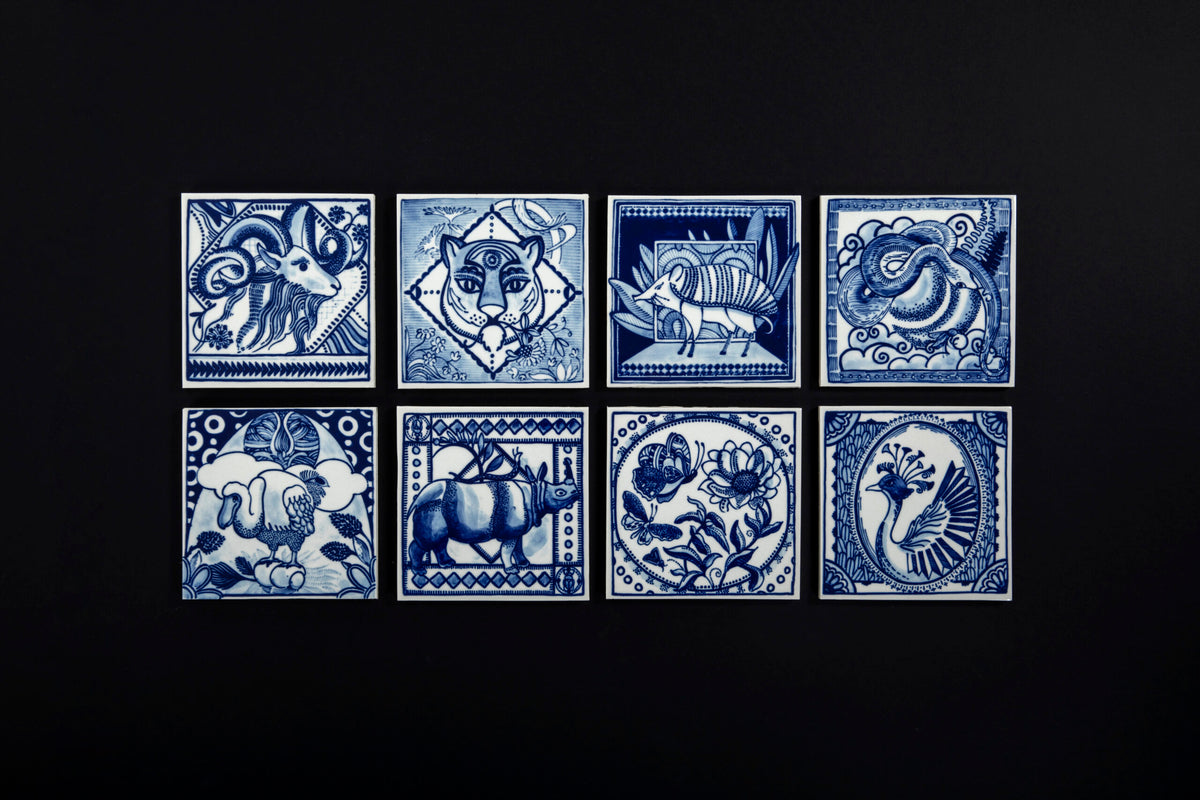
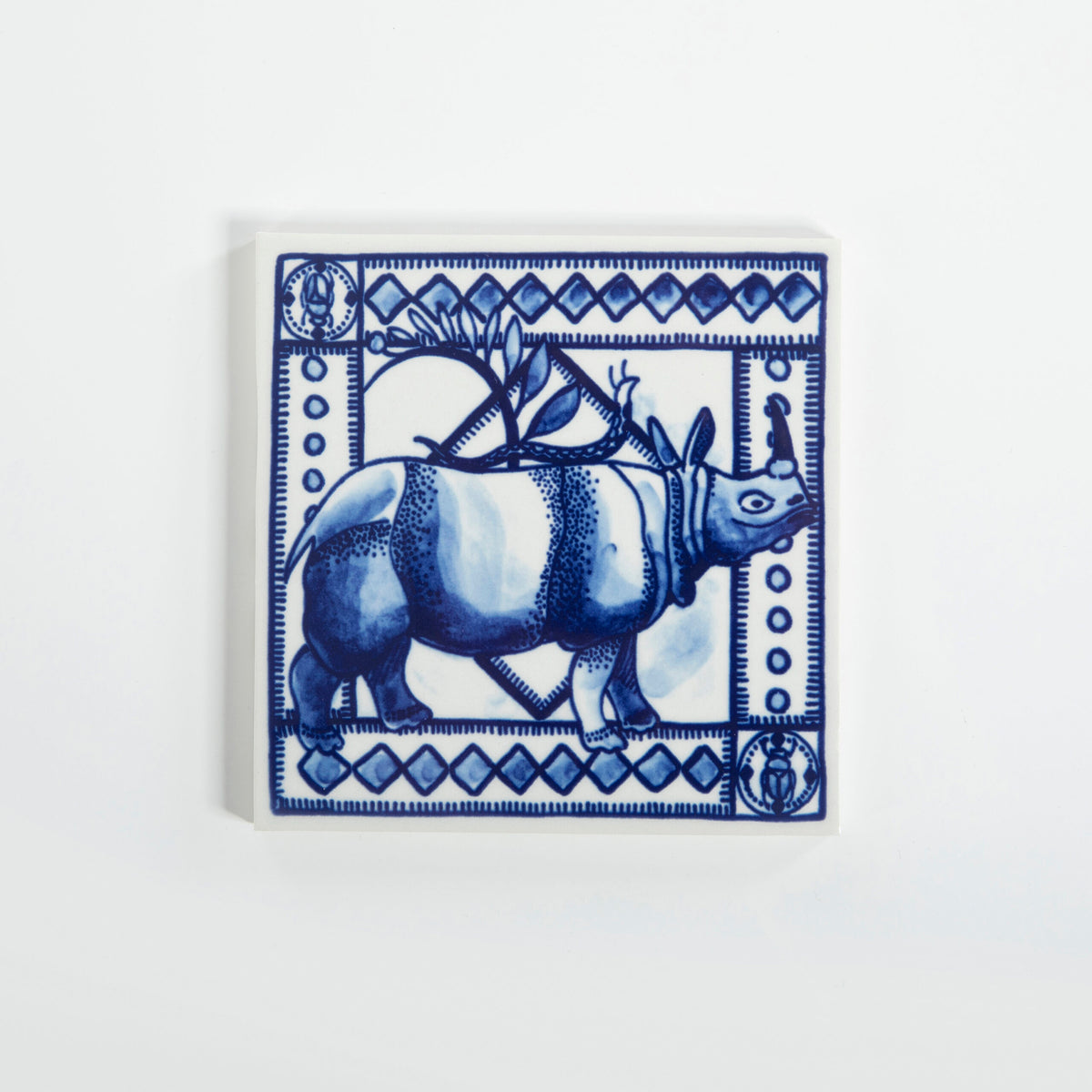
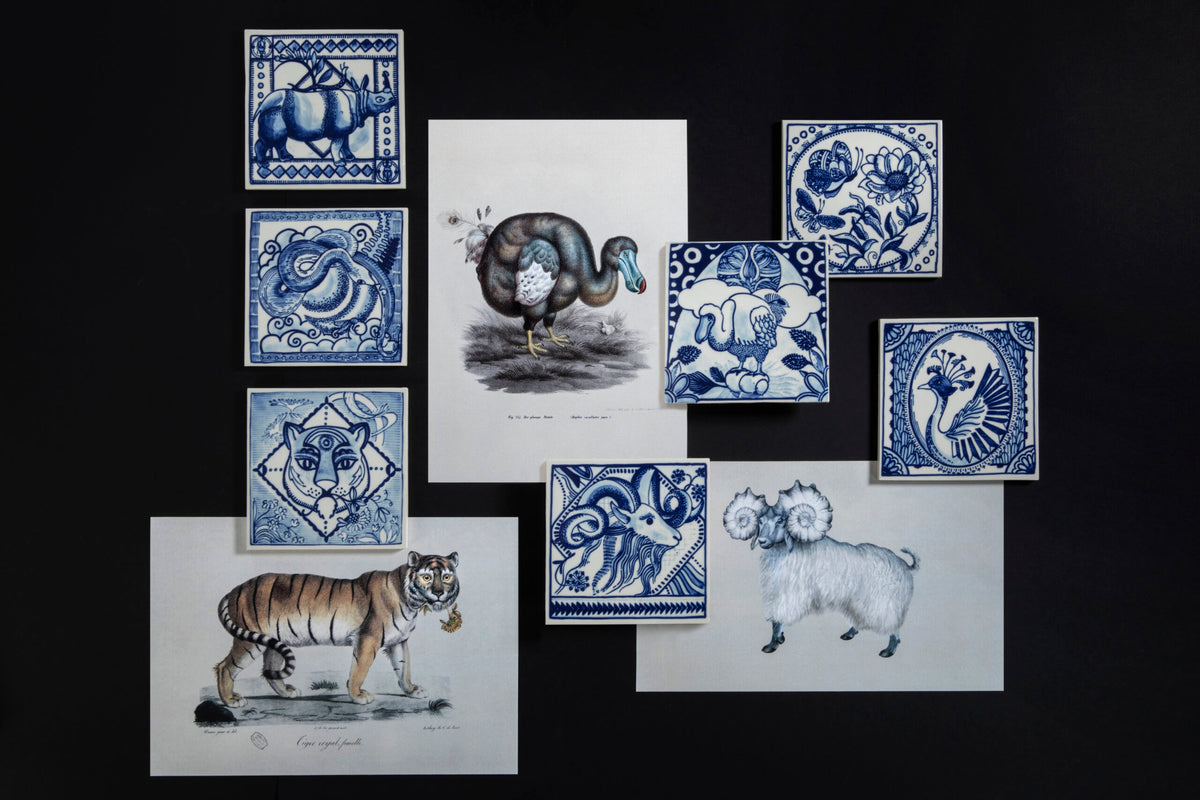
Moooi x Royal Delft present a unique collection: the original Royal Delft Delft Blue tiles from Moooi’s Extinct Animals collection. Inspired by beautiful drawings from The Museum of Extinct Animals, eight ceramic tiles have been designed and handcrafted in the workshop in Delft. Each tile represents one of these magnificent animal species in Delft Blue; together, they form a unique collection.

The Extinct Animals: Queen Cobra

“Queen Cobras were majestic looking snakes named after Queen Tanjii of Kemet, because their long coiling hairs resembled the queen’s hairstyle. According to old scriptures, the snakes were gold-coloured and didn’t have scales. Their skin seemed made of dried grass. With these characteristics, you can imagine the surprise when people found out the cobras were excellent swimmers. In fact, they would swim thousands of kilometres to lay their eggs on the bottom of the Mediterranean Sea.

Humans and Queen Cobras co-existed in peace. The snakes would calmly slither through their villages, not harming anyone, and appeared curious about everything. In fact, the Queen Cobras loved to get to higher altitudes to inspect their surroundings. Including climbing up the tallest person they could find and settle on their head, using them as watchtowers. They were very trusting animals. Their favourite resting places however were at the lowest places possible. They preferred slumbering at the banks of the Nile. The tall grasses resembling their skin camouflaging them.

Although Queen Cobras were very trusting towards humans; they hardly ever entered their homes. Most likely because they preferred open skies. Old pagan beliefs state that pregnant women that woke up to find Queen Cobra curls near their bed were blessed with healthy children. Another myth said finding punctured slither marks in your crops meant fruitful harvests for five seasons.”

The decorative tile in any modern interior

These decorative tiles are beautiful, distinctive accents for personalizing a room. The blend of tradition and contemporary art is a lovely addition to modern interiors. The Royal Delft decorative tiles are equipped with a hanging hook. Add a contemporary touch to a modern interior by subtly hanging it like a piece of art, alongside wall plates or other wall decorations, for example. Give the tile extra body by placing it in one of the tile frames. Add a striking accent to a mantelpiece or shelf and enrich the space with a touch of artisanal elegance.

Combining the Extinct Animals decorative tiles with blank tiles? Use this tile for the perfect result.

More Extinct Animals tiles

Collection Uitgestorven dieren decoratieve tegels
Color Blauw
Dimensions l 13 × w 13
Technique Transfer
Grams 0.25 kg
SKU 46413300
Uitgestorven dieren decoratieve tegels

Uitgestorven dieren decoratieve tegels

Inspired by the drawings from the Museum of Extinct Animals, eight ceramic tiles were designed and handcrafted in the workshop in Delft. Each tile represents one of these magnificent animal species in Delft Blue; together they form a unique collection. These decorative tiles from Moooi x Royal Delft create distinctive accents that personalise any space. The blend of tradition and contemporary art enriches modern interiors.

Shop Uitgestorven dieren decoratieve tegels
Moooi Set III

Uitgestorven dieren decoratieve tegels

Moooi Set III

€69,90
Moooi Set I

Uitgestorven dieren decoratieve tegels

Moooi Set I

€69,90
Moooi Set II

Uitgestorven dieren decoratieve tegels

Moooi Set II

€69,90
Extinct Animals tiles – 8 tegelsExtinct Animals tiles – 8 tegels

Uitgestorven dieren decoratieve tegels

Extinct Animals tiles – 8 tiles

€279,60

De Porceleyne Fles in Delft

Transfer: from design to screen print

Centuries-old craftsmanship lives on in De Porceleyne Fles. The screen printing technique, with its origins in eighteenth-century England, is still an essential part of the decorating process. Here, heritage, precision and craft come together in every ceramic object.

The design

The design

Even when the screen printing technique is used, the hand of the Royal Delft master painter is still part of the design. The first design is put on paper with a brush, using the same black paint. Once a final design has been made, it is sent to the printer. The printer scans it digitally and then turns it into a screen print.

The screen print

The screen print

This is divided into four separate layers for the four different shades of blue. It is then printed onto plastic films, and the films are exposed onto a screen printing frame. In this way the design transfers from the film to the frame. This is done four times for the different shades of blue, after which a carrier layer is added on top. That carrier holds the entire design together.

Applying and firing

Applying and firing

The transfer is then applied to the glazed product, after which it fuses with the glaze layer during the second firing.

Stories from the atelier.

New collections, painter profiles, and collection previews - delivered once a month.