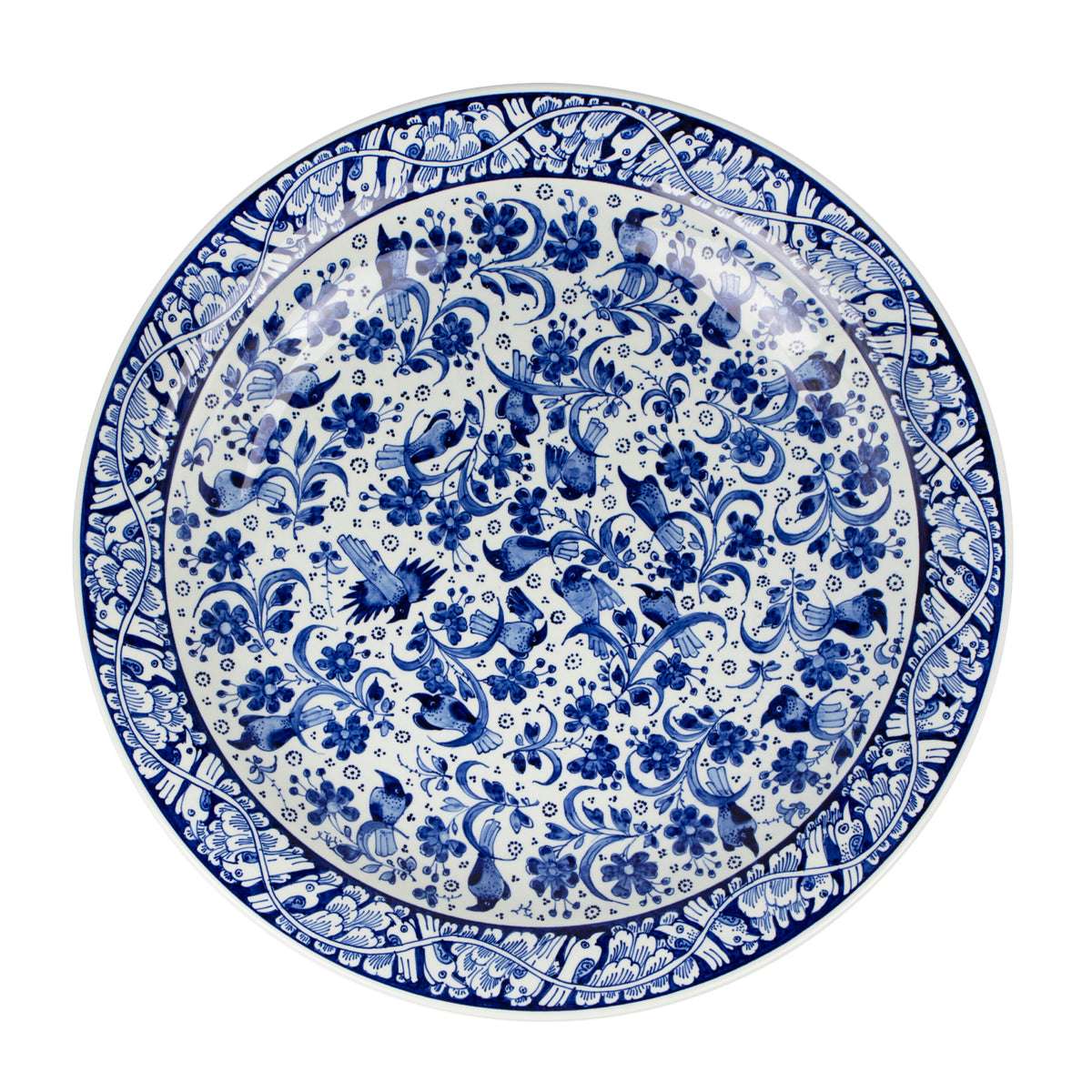
Astonia

Vase Astonia

€479
Out of stock
  • Free shipping in the Netherlands for orders over €100
  • Certificate of authenticity for ceramic products
  • Carefully and attentively packaged for dispatch
  1. Home
  2. Astonia

Pair with…

About Vase Astonia

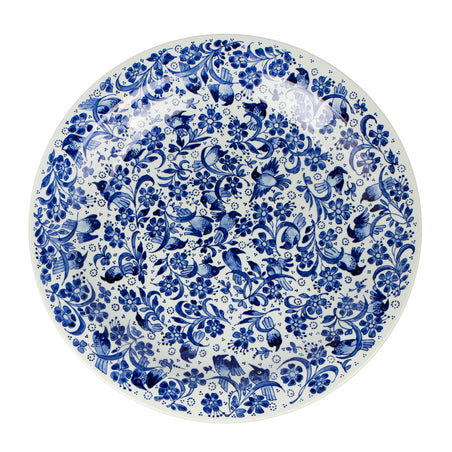
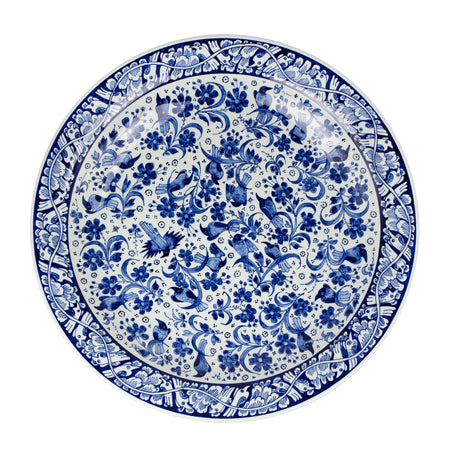
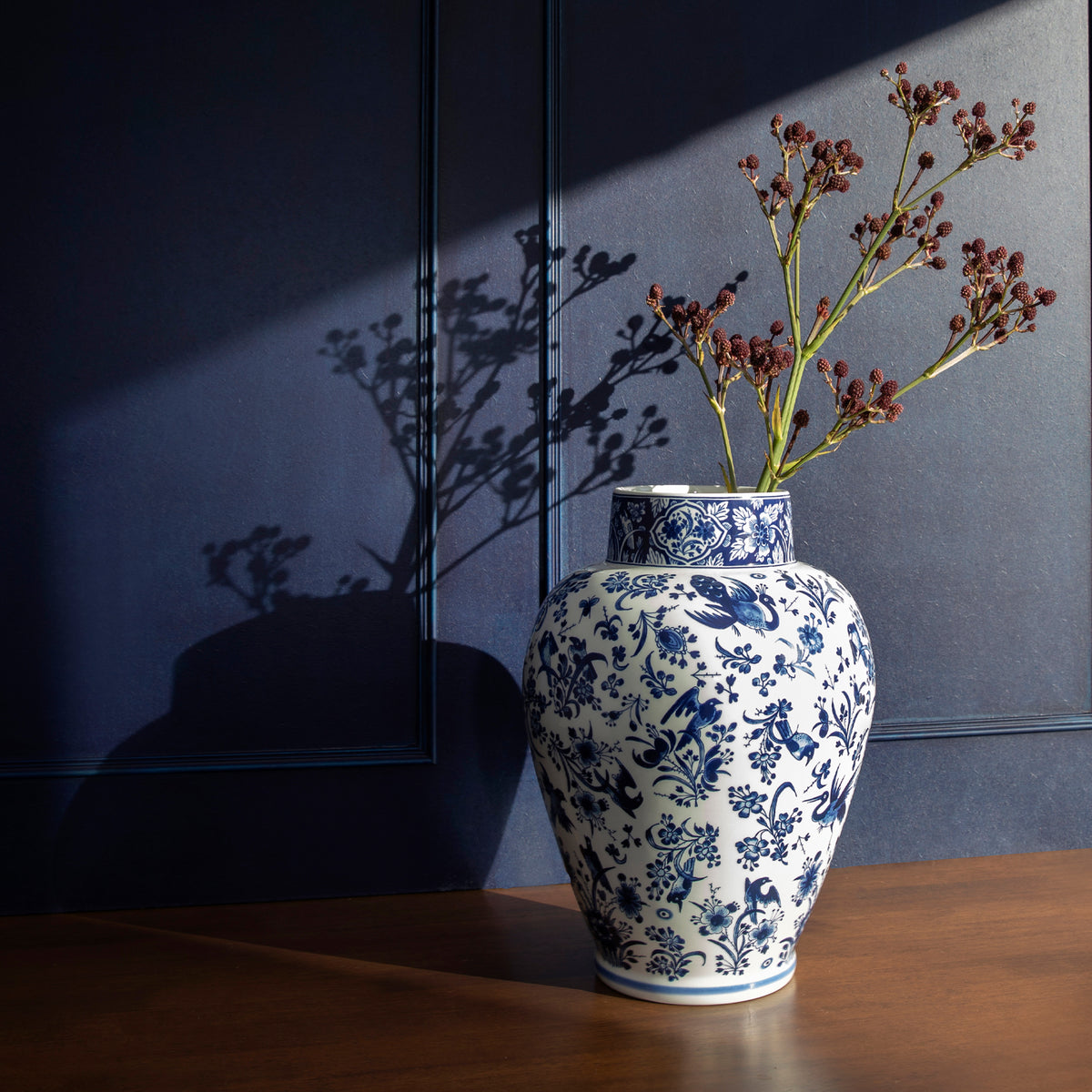
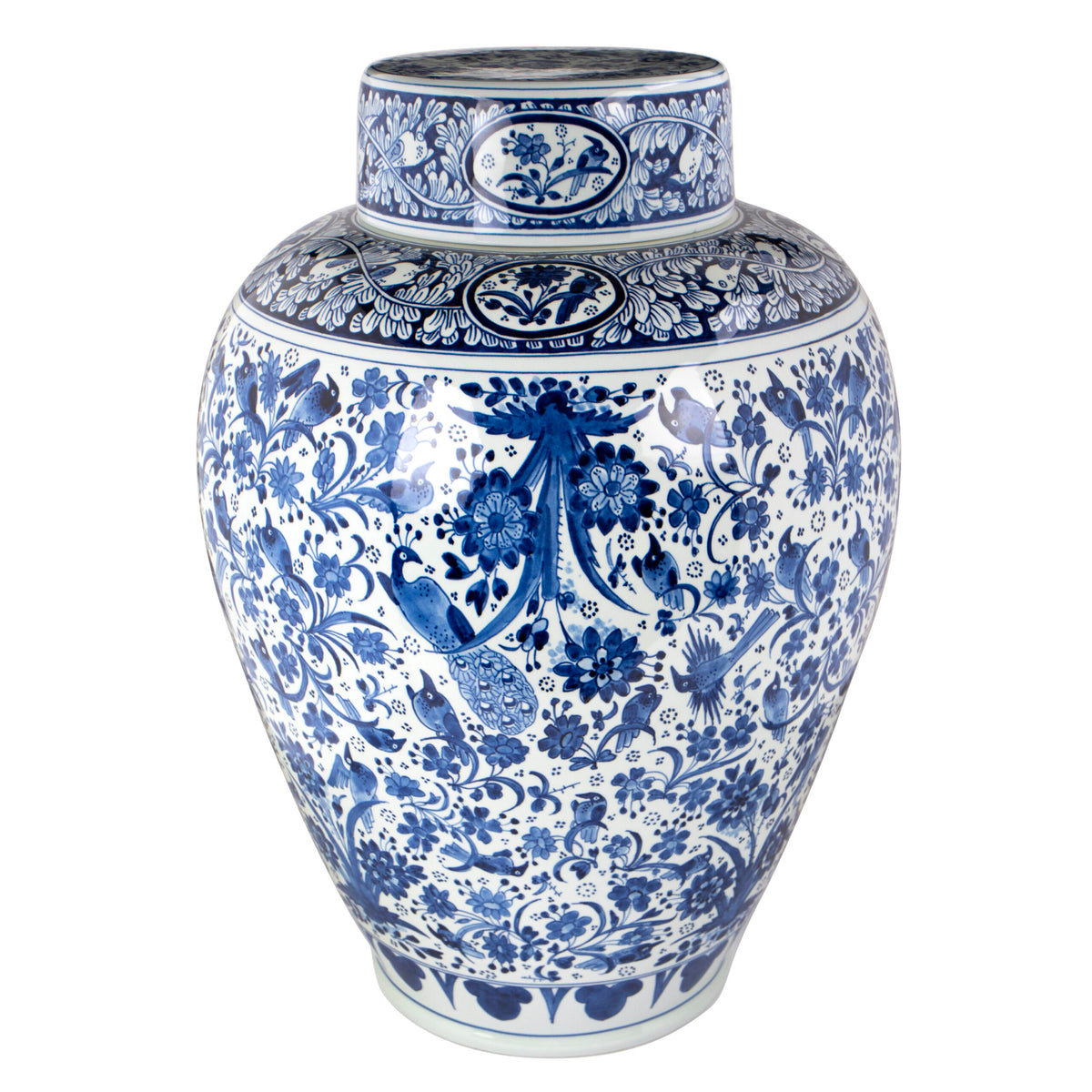
This beautiful Astonia vase is the latest addition to the existing Astonia collection. The vase is handmade by the artisans in the studio in Delft. Its stunning shape and decoration make the vase an essential eyecatcher in any interior. The rich decoration of the Astonia vase displays beautiful birds combined with various types of flowers.

Astonia collection

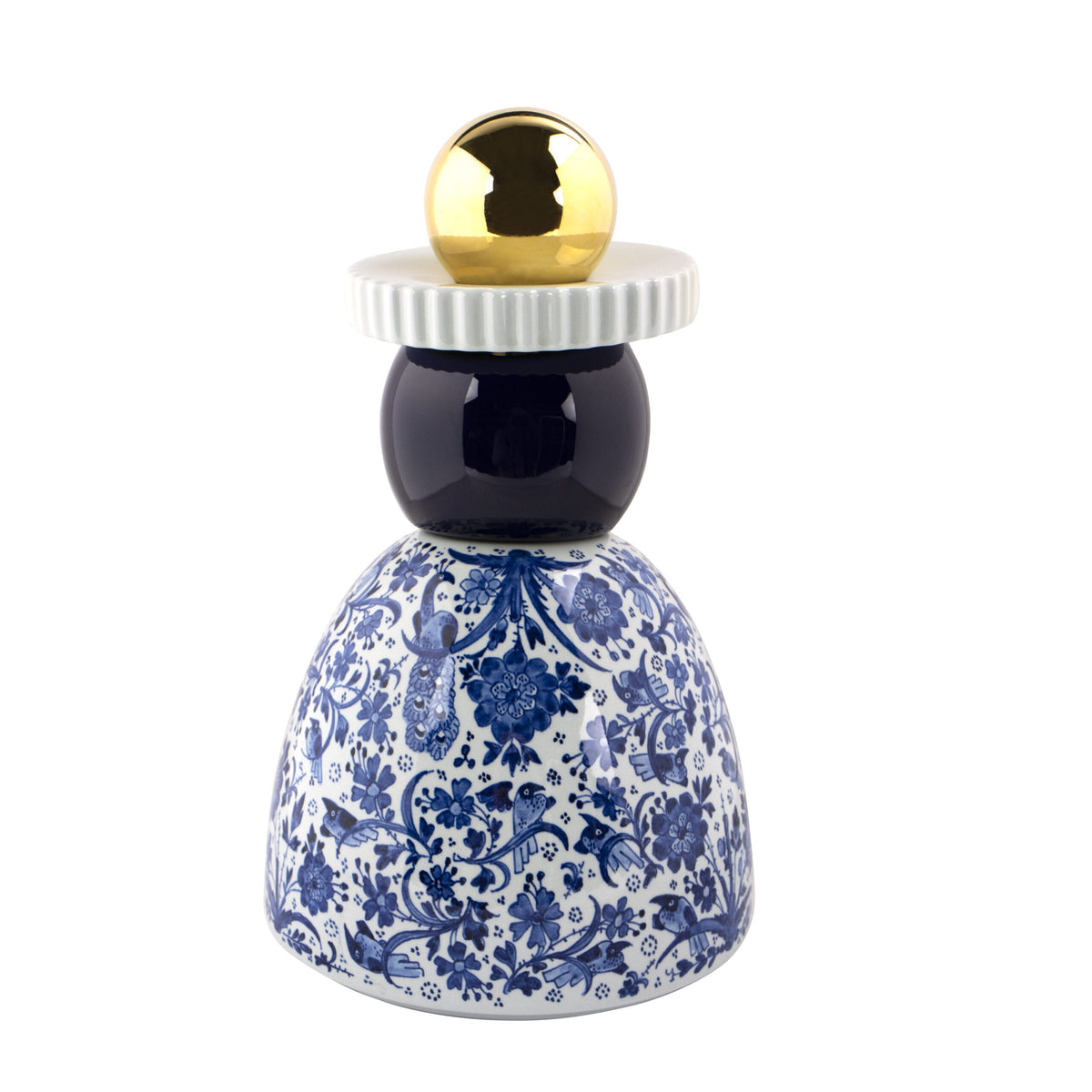
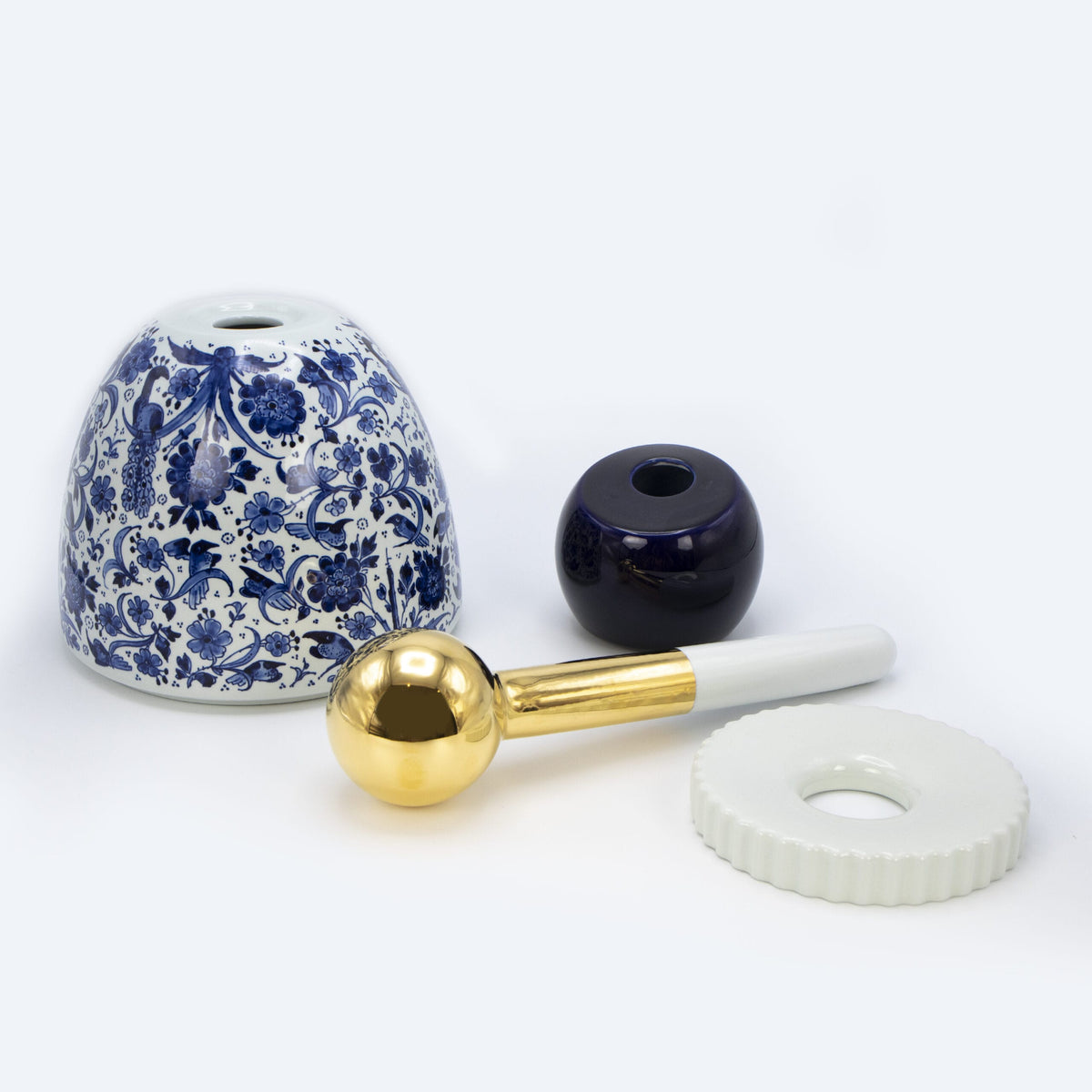
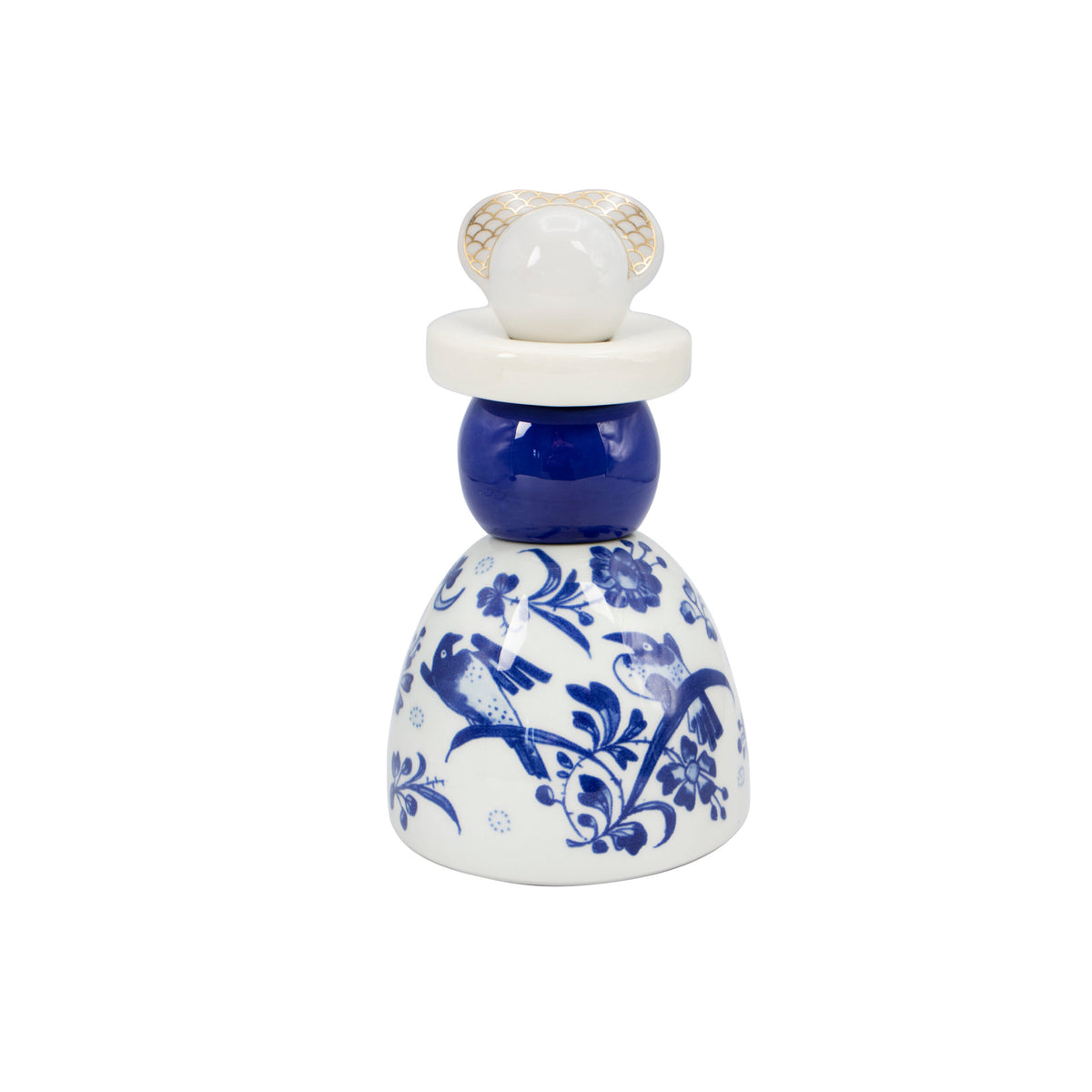
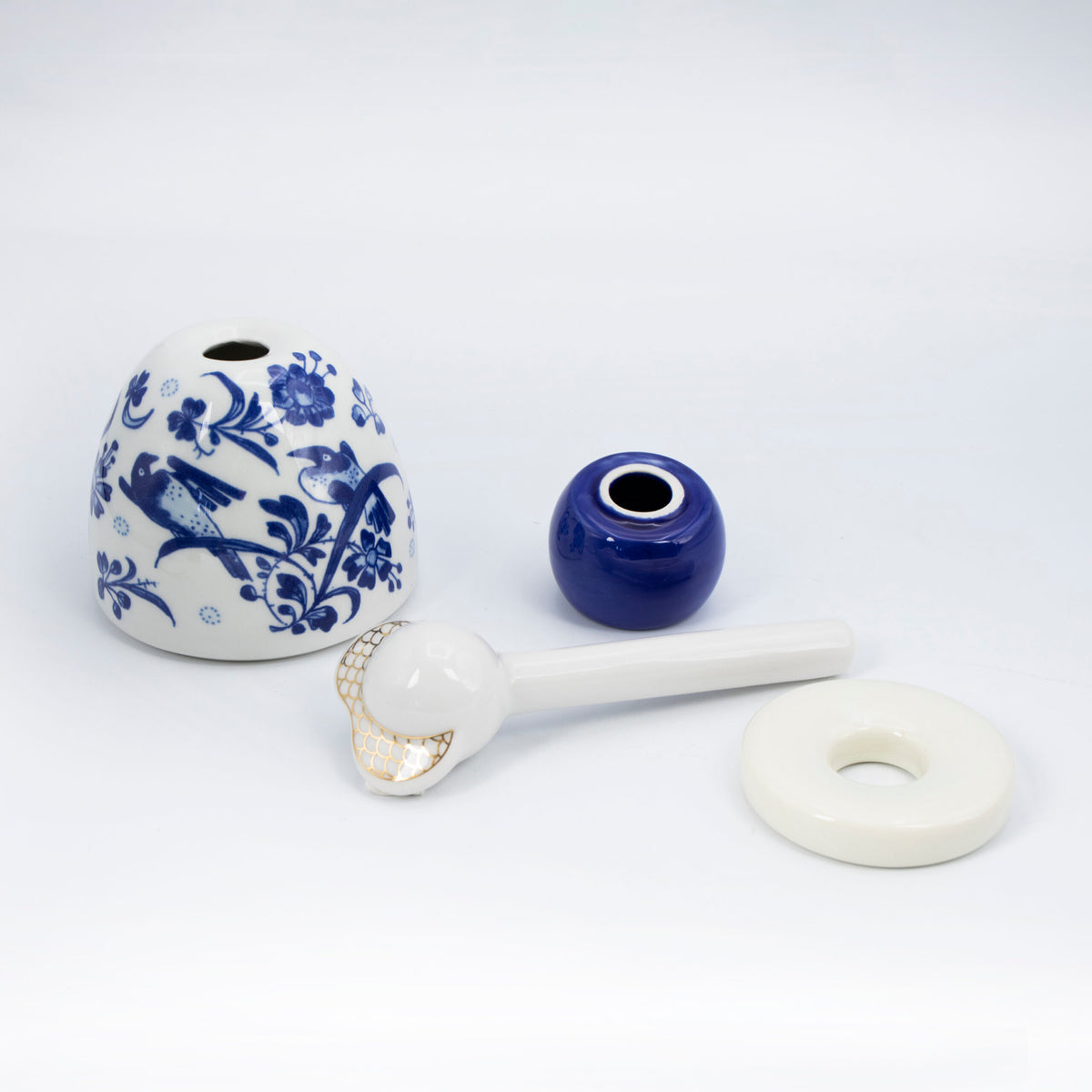
The Astonia collection carries a rich history, inspired by a lidded jar from the pottery factory De Drie Posteleyne Astonne. Royal Delft Museum has a similar small vase, without a lid, in its collection, which shows the magnificent decoration of De Drie Posteleyne Astonne. The Royal Delft Astonia collection consists of six different pieces, including a beautiful hand-painted lidded jar, two hand-painted vases, and a hand-painted Proud Mary.

The vase pairs beautifully with the Proud Mary Astonia.

View the entire Astonia collection

Collection Astonia
Color Blauw
Dimensions l 22 × w 22 × h 32
Technique Transfer
Grams 2.466 kg
SKU 46806000
Dishwasher safe No
Astonia

Astonia

The Astonia collection revives the rich decorative tradition of Delft Blue. Inspired by historical pieces from the 17th-century pottery De Drie Posteleyne Astonne, Royal Delft's designers translated characteristic flora and fauna decorations into a contemporary collection. From refined vases to the iconic Proud Mary: each object connects centuries of craftsmanship with Royal Delft's recognisable signature, allowing history to live on in the present.


Shop Astonia
HandgeschilderdLimited Edition
AstoniaAstonia

Astonia

Astonia

€1.995
Astonia PatternAstonia Pattern
€99,95
Handgeschilderd
Dekselvaas Astonia
€11.999
Handgeschilderd
Bord Astonia met Rand
€2.899

De Porceleyne Fles in Delft

Transfer: from design to screen print

Centuries-old craftsmanship lives on in De Porceleyne Fles. The screen printing technique, with its origins in eighteenth-century England, is still an essential part of the decorating process. Here, heritage, precision and craft come together in every ceramic object.

The design

The design

Even when the screen printing technique is used, the hand of the Royal Delft master painter is still part of the design. The first design is put on paper with a brush, using the same black paint. Once a final design has been made, it is sent to the printer. The printer scans it digitally and then turns it into a screen print.

The screen print

The screen print

This is divided into four separate layers for the four different shades of blue. It is then printed onto plastic films, and the films are exposed onto a screen printing frame. In this way the design transfers from the film to the frame. This is done four times for the different shades of blue, after which a carrier layer is added on top. That carrier holds the entire design together.

Applying and firing

Applying and firing

The transfer is then applied to the glazed product, after which it fuses with the glaze layer during the second firing.

Stories from the atelier.

New collections, painter profiles, and collection previews - delivered once a month.