Blueware

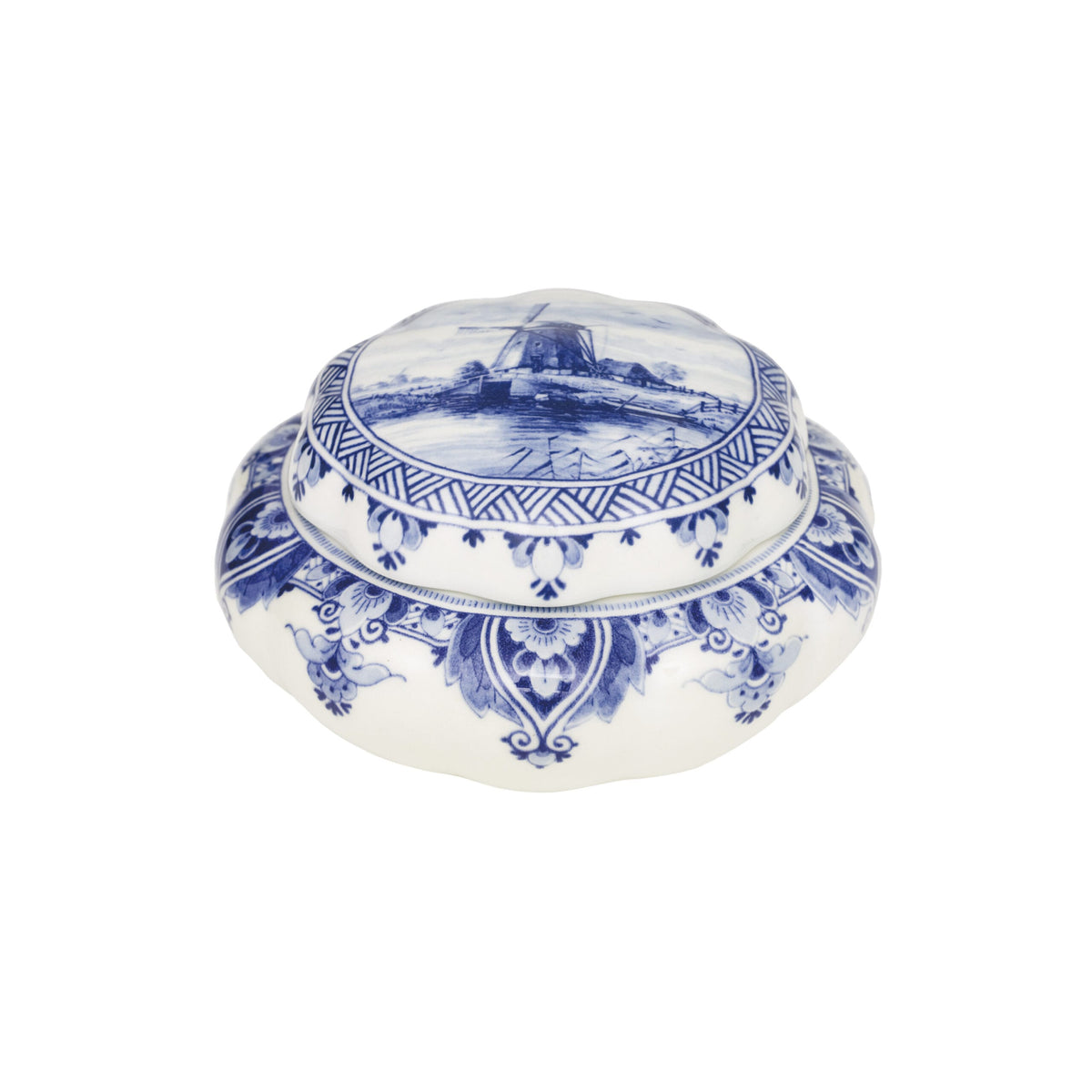
Bonbonnière Mill

€89,95
Available immediately
  • Free shipping in the Netherlands for orders over €100
  • Certificate of authenticity for ceramic products
  • Carefully and attentively packaged for dispatch
  1. Home
  2. Blueware

Pair with…

About Bonbonnière Mill

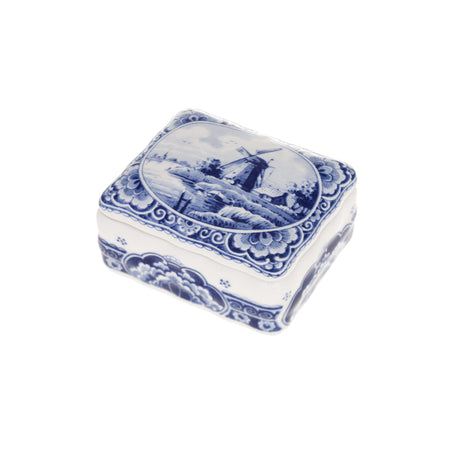
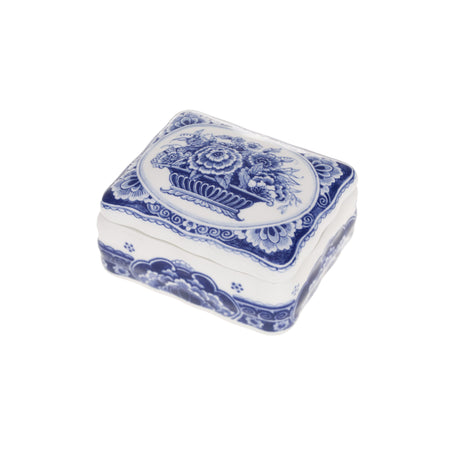
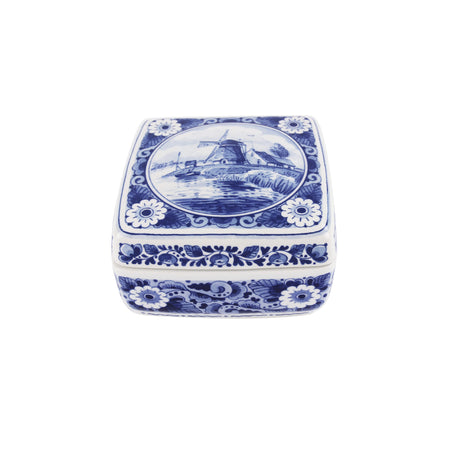
This bonbonniere from Royal Delft is 9.5 centimeters high and features a windmill with floral decoration in Delft Blue. The bonbonniere was originally an elegant box for storing and serving bonbons and other sweets. Especially in the seventeenth and eighteenth centuries, bonbonnieres were popular luxury items on set tables.

On the table, it therefore becomes a subtle detail with a story, made to be seen. The design originates from a painter and is subsequently decorated using screen printing, a technique that Royal Delft has been using since the end of the nineteenth century.

Collection Blueware
Color Blauw
Dimensions l 15.5 × w 15.5 × h 9.5
Technique Transfer
Grams 0.61 kg
SKU 07030150
Dishwasher safe No
Blueware

Blueware

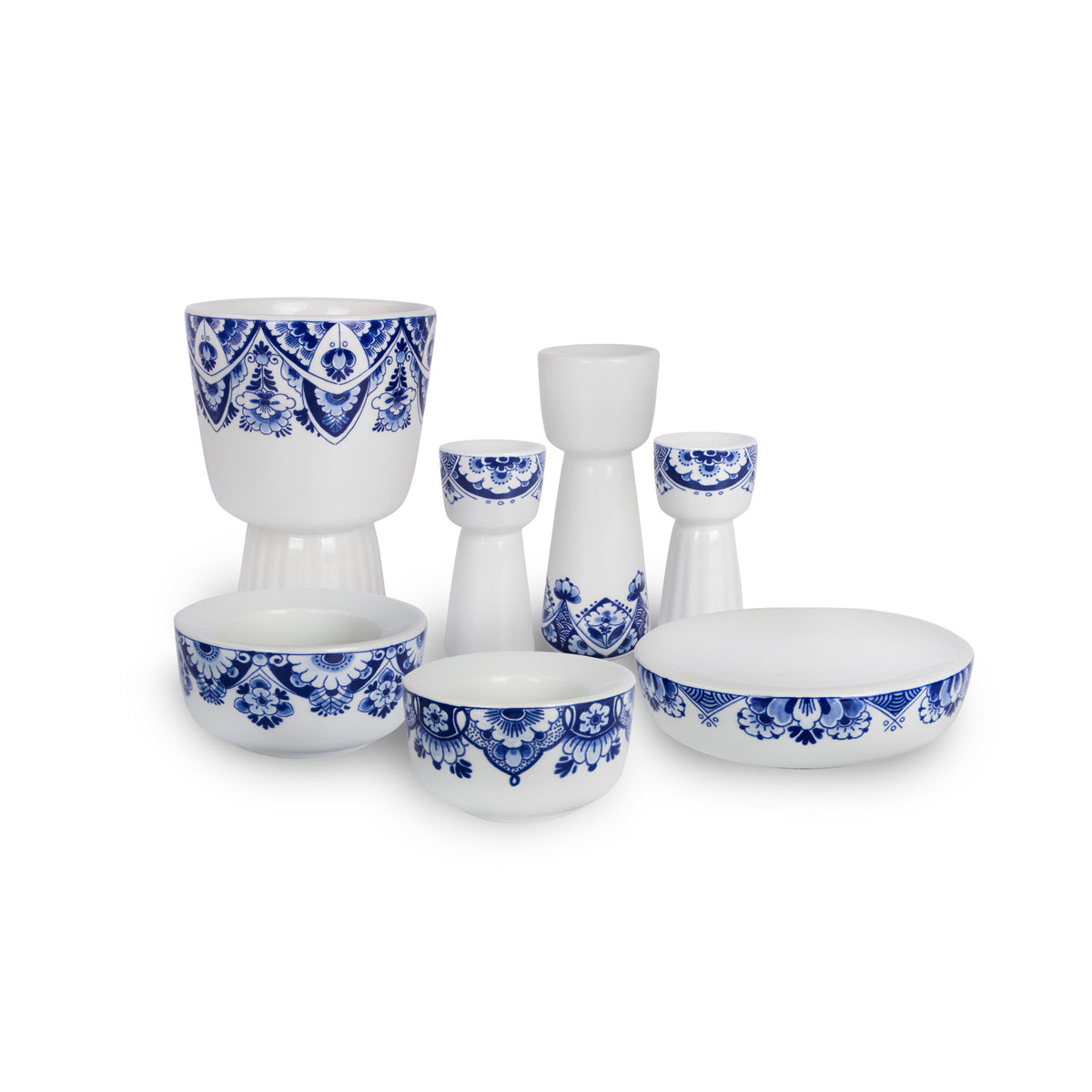
The Blueware collection is inspired by traditional Delft Blue decorations and designed by a master painter from Royal Delft. The decorations are applied using a sophisticated screen-printing technique, a method that Royal Delft has been employing since the late 19th century. In this way, centuries-old decorative traditions and historical craftsmanship come together in a collection with a distinctive and timeless appearance.

Shop Blueware
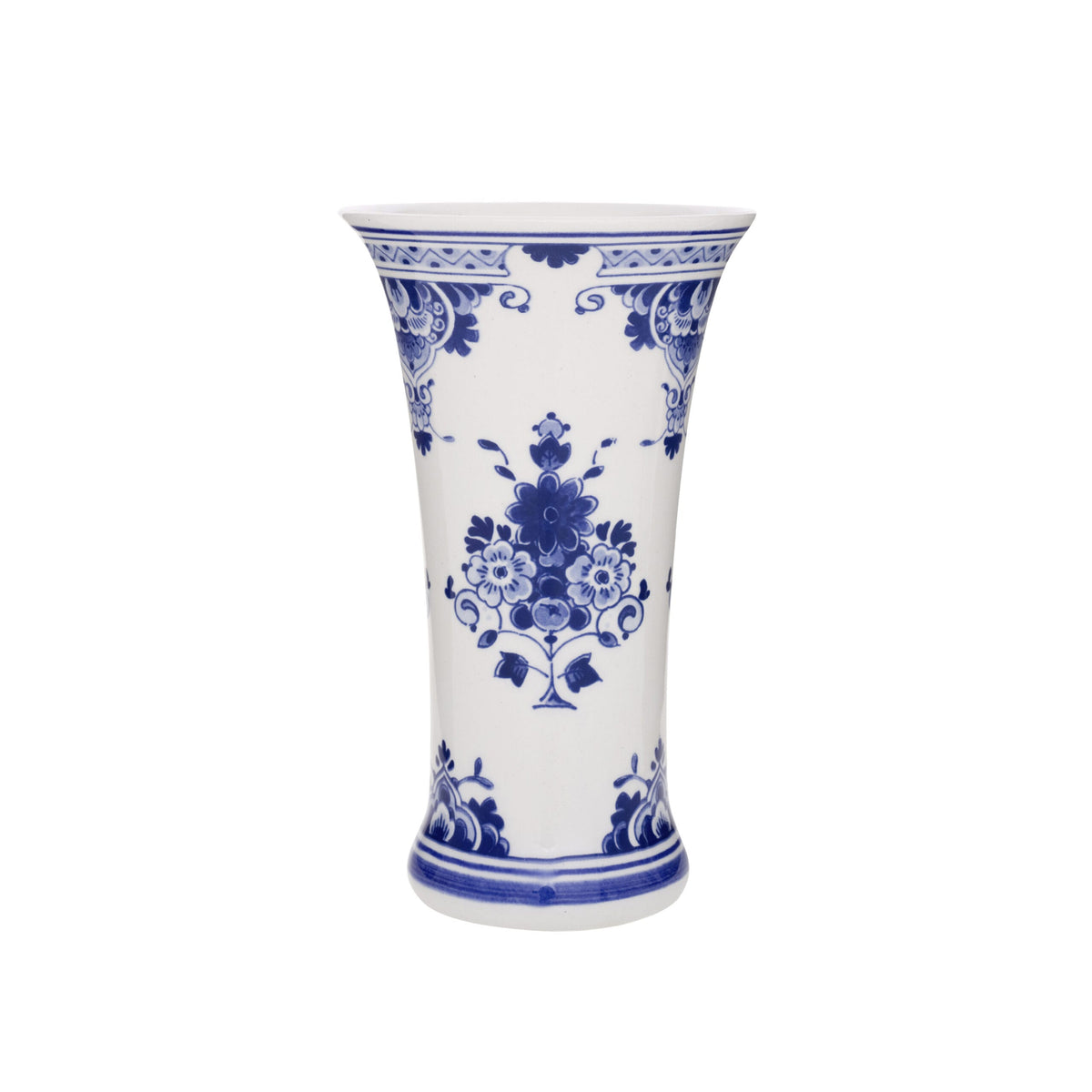
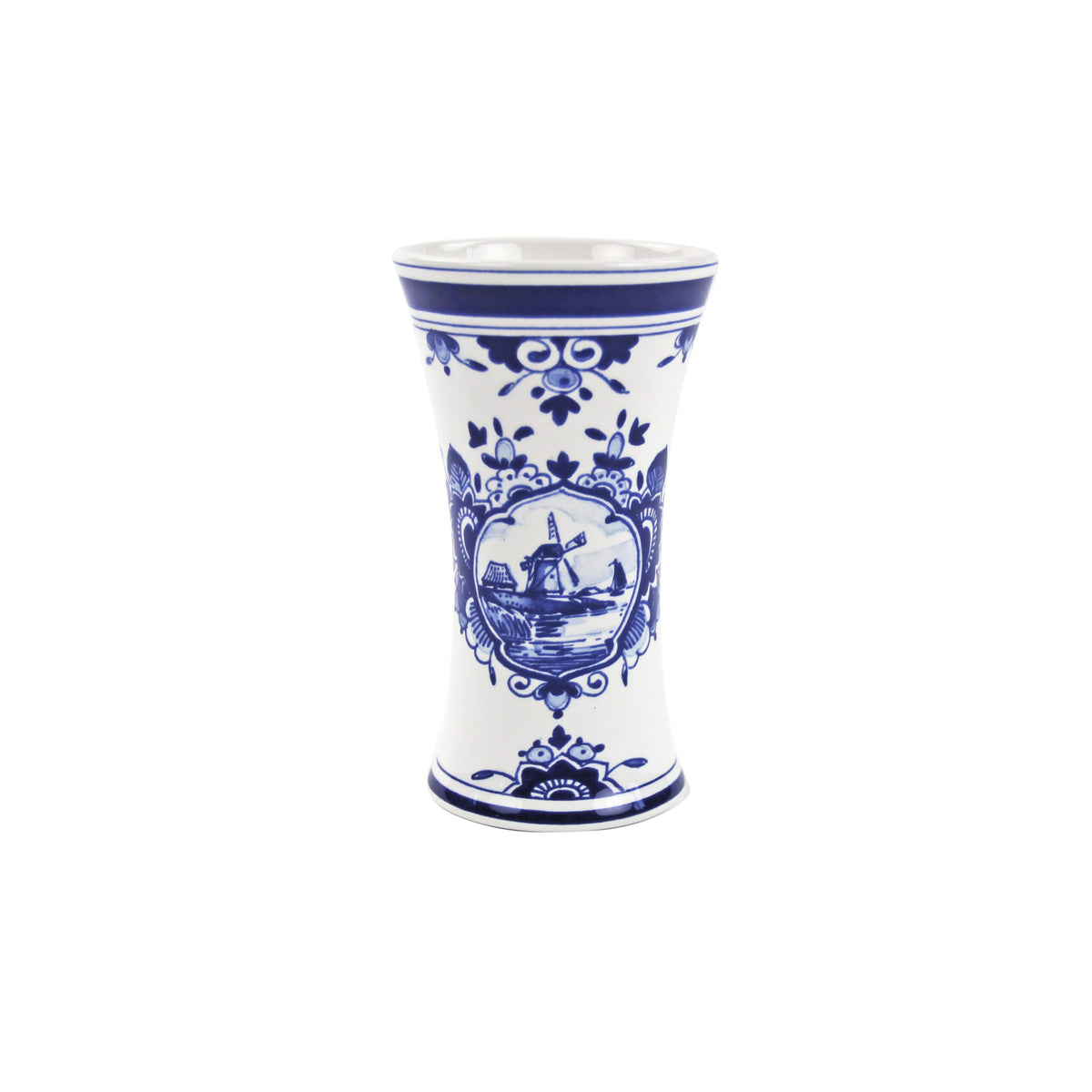
Bekervaas

Blueware

Beaker vase

€79,95
Bekervaas Molen
€41,95
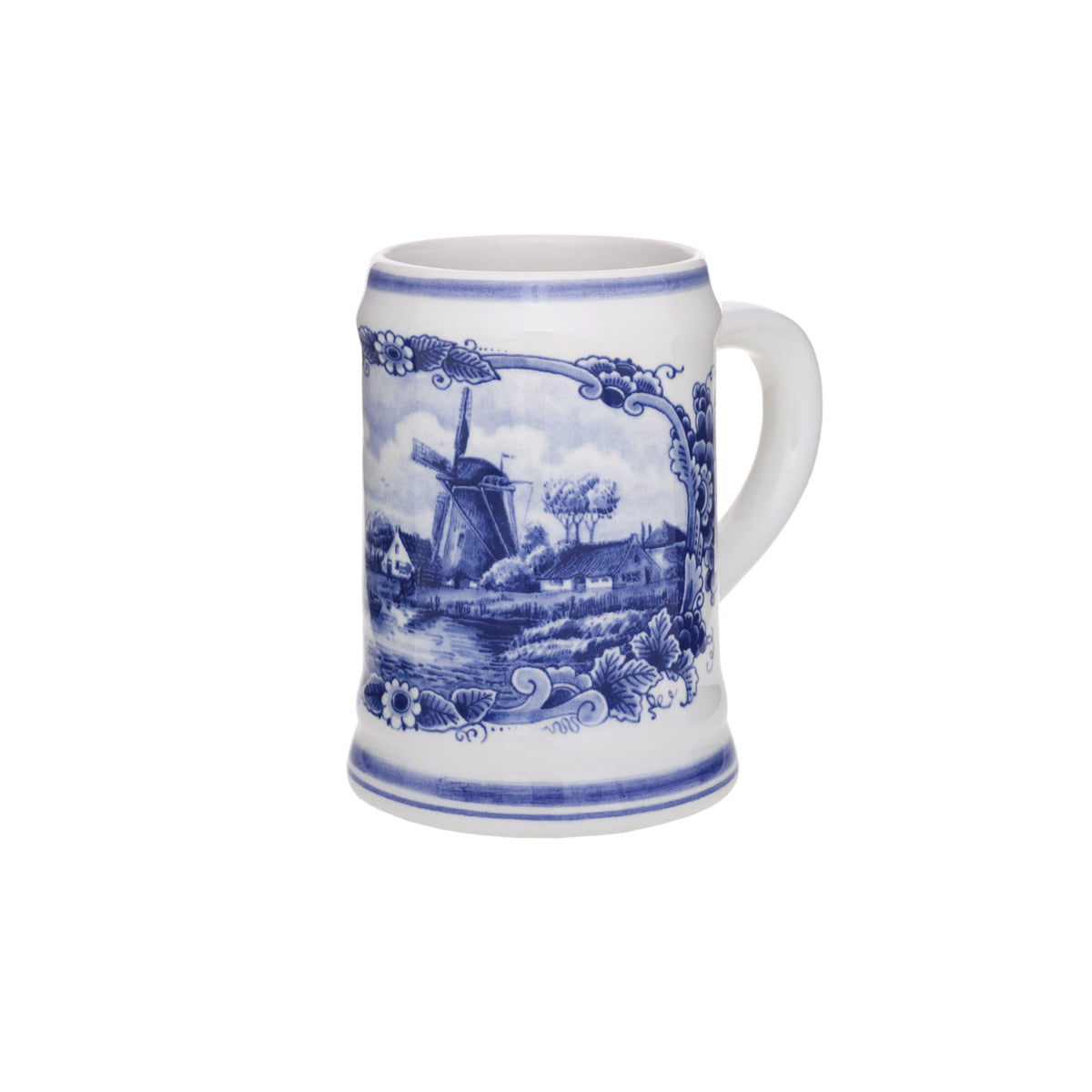
Bierpul Molen

Blueware

Beer mug Mill

€39,95
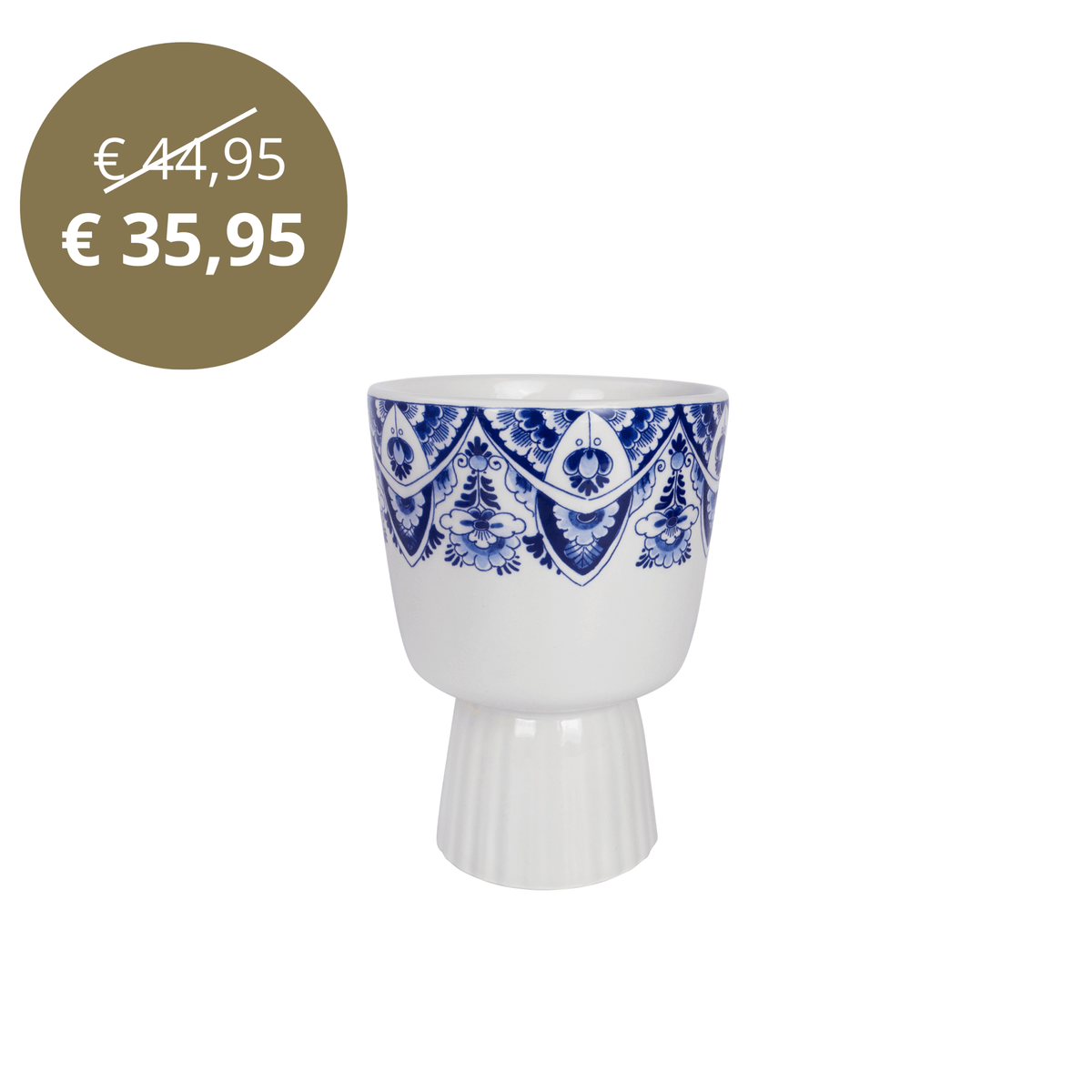
BloempotBloempot

Blueware

Flowerpot

€35,95

De Porceleyne Fles in Delft

Transfer: from design to screen print

Centuries-old craftsmanship lives on in De Porceleyne Fles. The screen printing technique, with its origins in eighteenth-century England, is still an essential part of the decorating process. Here, heritage, precision and craft come together in every ceramic object.

The design

The design

Even when the screen printing technique is used, the hand of the Royal Delft master painter is still part of the design. The first design is put on paper with a brush, using the same black paint. Once a final design has been made, it is sent to the printer. The printer scans it digitally and then turns it into a screen print.

The screen print

The screen print

This is divided into four separate layers for the four different shades of blue. It is then printed onto plastic films, and the films are exposed onto a screen printing frame. In this way the design transfers from the film to the frame. This is done four times for the different shades of blue, after which a carrier layer is added on top. That carrier holds the entire design together.

Applying and firing

Applying and firing

The transfer is then applied to the glazed product, after which it fuses with the glaze layer during the second firing.

Stories from the atelier.

New collections, painter profiles, and collection previews - delivered once a month.